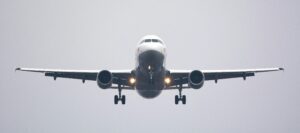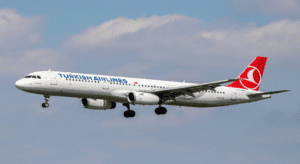
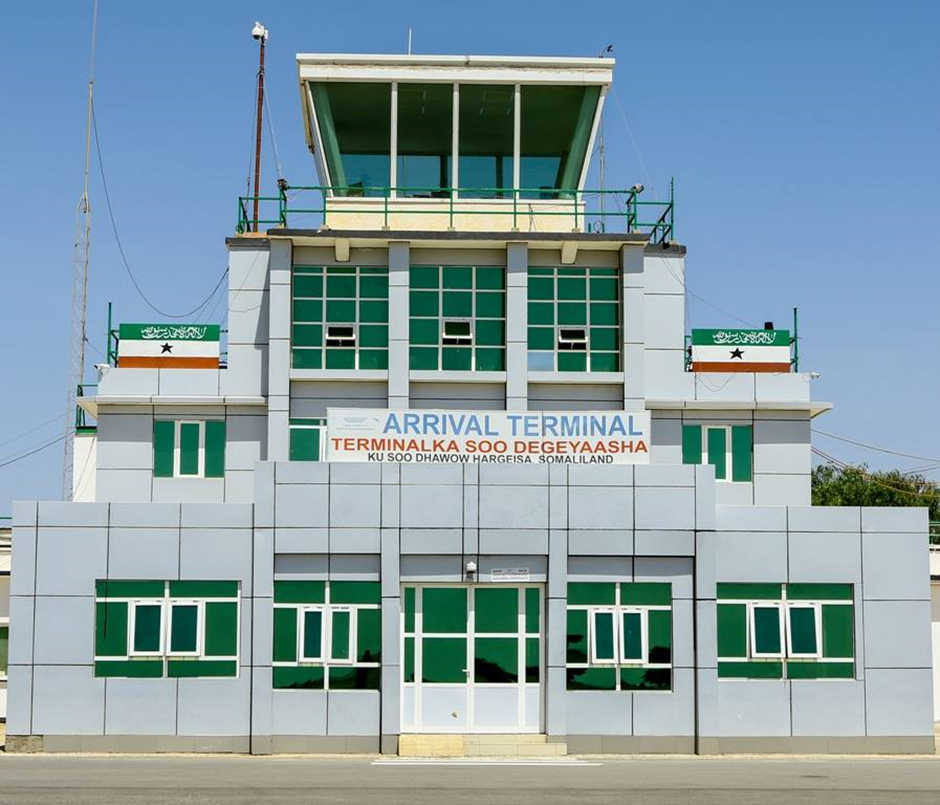
Aviation is often described as the business of freedom. It allows people, cultures, and economies to connect in ways that no other mode of transport can achieve. For Somaliland, a nation striving for recognition and eager to accelerate its development, aviation is more than an industry—it is a lifeline. It is the gateway to the outside world, the artery that can pump opportunity, trade, investment, and knowledge into the country.
Yet, Somaliland’s aviation sector remains underdeveloped. While airlines such as Ethiopian Airlines and Flydubai now connect the country to major hubs, the ecosystem that supports aviation—civil aviation authority, airports, airlines, ground handling companies, and air navigation service providers—is still fragile. A fully functioning aviation system could unlock enormous economic and social potential, transforming Somaliland into a regional hub of opportunity.
As someone who has spent more than 20 years in aviation, I believe strongly in this vision. Through Sky Aviation Consulting & Training Centre in Hargeisa, I have dedicated my career to educating the nation, training young people, and raising awareness about the transformative power of aviation. Our mission is simple but ambitious: to prepare Somaliland’s youth to take ownership of their skies and build an aviation sector that matches global standards.
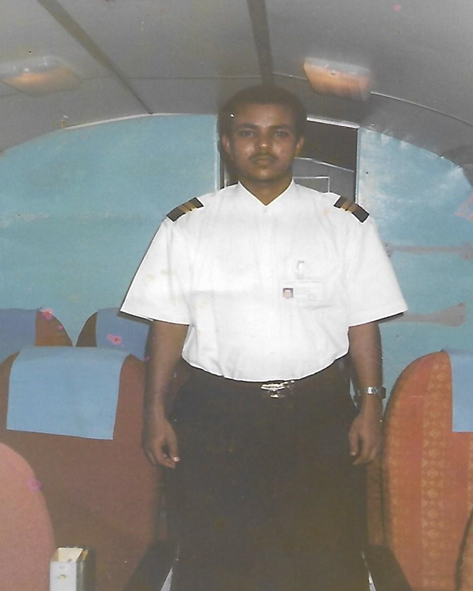
Table of Contents
Aviation as a Lifeline for Connectivity
Somaliland’s geography presents enormous challenges. With vast rural areas, limited infrastructure, and isolated communities, road travel alone cannot meet the needs of its people. Aviation, therefore, is not a luxury but a necessity.
In many African countries with similar terrain—such as Ethiopia or Kenya—aviation has become the backbone of domestic connectivity. In Ethiopia, Ethiopian Airlines not only connects Addis Ababa to the world but also links dozens of smaller cities internally, ensuring that remote regions are not cut off from essential services. Somaliland could replicate this model, using aviation to integrate rural areas with urban centres like Hargeisa and Borama.
Reliable aviation services would ensure that medical emergencies could be handled quickly, humanitarian aid delivered promptly, and education opportunities accessed without delay. In essence, aviation is not just about convenience—it is about inclusion, ensuring no community is left behind.
Strengthening Ties with the Diaspora
Few nations in the world rely on their diaspora as much as Somaliland. Spread across Europe, North America, the Middle East, and Africa, Somalilanders abroad contribute billions annually in remittances. These remittances sustain families, finance education, build homes, and fuel small businesses.
However, the diaspora’s impact extends beyond money. Every trip home is an opportunity to share new ideas, technologies, and experiences. Diaspora entrepreneurs establish businesses, professionals volunteer skills, and families reconnect with their cultural roots. Aviation is the bridge that makes all this possible.
When air services are safe, reliable, and affordable, members of the diaspora are more likely to visit often, invest confidently, and encourage others to explore opportunities in Somaliland. Conversely, unreliable services discourage visits and reduce the flow of investment.
A functioning aviation system, therefore, is not just about connecting Somaliland to the world—it is about connecting Somalilanders to Somaliland itself.

Driving Trade and Business
Trade is the lifeblood of economic growth. For Somaliland, livestock exports through Berbera remain the backbone of the economy. But to diversify and modernize, Somaliland must embrace aviation as a driver of commerce.
Air cargo is critical for high-value, time-sensitive goods. Fresh vegetables, seafood, flowers, and even digital products like precision equipment can only reach markets quickly and in good condition through aviation. For example, Kenya has built a thriving flower export industry largely on the back of reliable air cargo services that connect Nairobi to Amsterdam and other global hubs. Somaliland could do the same with its seafood industry, exporting directly to Middle Eastern and Asian markets.
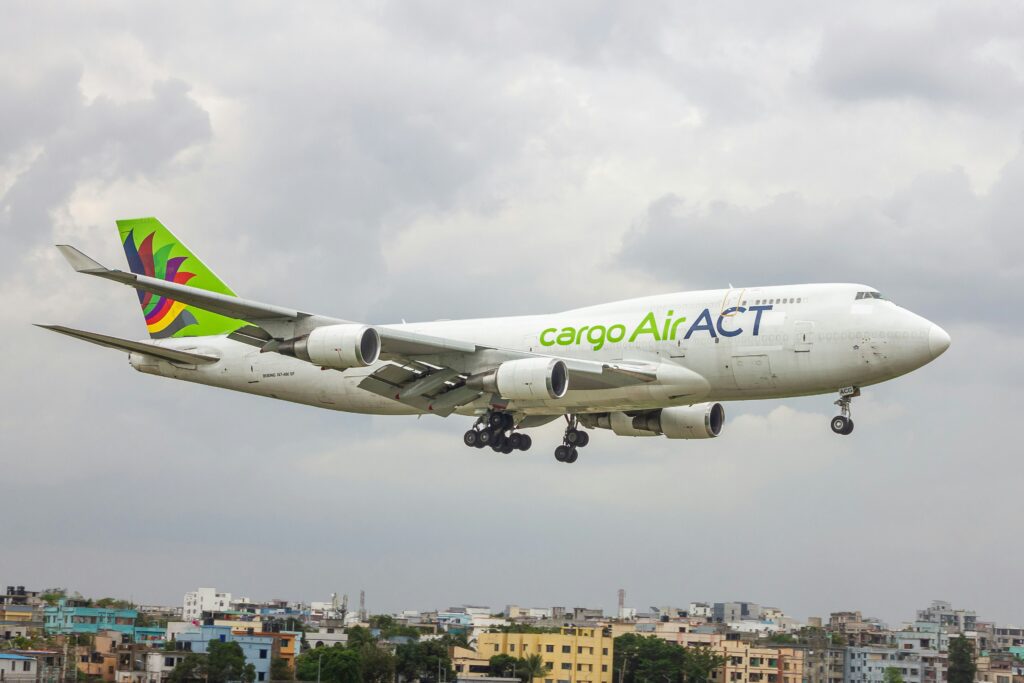
At the same time, imports are equally vital. Aviation enables Somaliland to bring in medicines, vaccines, industrial machinery, and technology that are not available locally. Faster imports mean healthier populations, more competitive businesses, and stronger infrastructure development.
For entrepreneurs, aviation also shortens supply chains. Business leaders can fly to Dubai, Nairobi, Addis Ababa, or Istanbul within hours to meet partners, negotiate deals, and explore opportunities. In a globalized world, time is money, and aviation ensures Somaliland does not fall behind.
Unlocking Tourism Potential
Tourism is one of the world’s largest industries, contributing trillions of dollars annually to the global economy. For Somaliland, the potential is enormous. The Laasgeel cave paintings—some of the oldest and most vivid in Africa—are a treasure waiting to be discovered by international tourists. The pristine beaches of Berbera, the mountain landscapes of Sheikh, and the vibrant cultural heritage of the Somali people all provide unique attractions.

Yet tourism cannot grow without aviation. Tourists demand safe, reliable, and efficient flights. They expect professional airport services, transparent booking systems, and smooth connections within the country. Every time a new international flight lands in Hargeisa, hundreds of potential tourists are introduced to Somaliland. Each of those tourists spends money on hotels, restaurants, transport, and local crafts, creating jobs and stimulating businesses.
Countries like Rwanda and Ethiopia have used aviation as a springboard for tourism development. Rwanda, for example, invested in RwandAir and modernized Kigali International Airport, transforming the country into a tourism hotspot despite its small size. Somaliland could follow a similar path.
Building Institutions and Infrastructure
No aviation system can function without strong institutions. A fully empowered Civil Aviation Authority (CAA) is the cornerstone of aviation governance. The CAA sets safety and security standards, regulates airlines, certifies airports, and ensures compliance with international agreements. Without it, Somaliland cannot fully integrate into global aviation frameworks or attract new airlines.
Equally important are air navigation service providers, who manage the airspace and ensure safe flight operations. With international carriers already operating in Somaliland, the need for efficient air traffic management is urgent. Upgrading equipment, training controllers, and aligning with international standards must be top priorities.
Infrastructure, too, must keep pace. While upgrades at Hargeisa and Berbera airports have improved capacity, more investment is needed to modernize runways, terminals, and safety systems. Meeting international standards will not only improve passenger experiences but also increase confidence among global airlines.
The Human Capital Challenge
Perhaps the greatest challenge Somaliland faces in aviation is the shortage of skilled professionals. A strong aviation ecosystem needs pilots, engineers, air traffic controllers, safety inspectors, ground handlers, and customer service staff. Without trained personnel, infrastructure investments cannot deliver their full value.
This is why I established Sky Aviation Consulting & Training Centre in Hargeisa. Our mission is to bridge the knowledge gap by preparing young Somalilanders for careers in aviation. We design training programs tailored to the region’s needs, focusing on technical expertise, safety, management, and customer service.

We believe that aviation education is about more than just filling jobs. It is about nurturing leaders who can innovate, inspire, and transform the industry. As I often tell my students:
“We are not only training workers. We are shaping the future custodians of Somaliland’s skies.”
Our graduates are already making an impact in the industry. With greater support, we can scale this effort, producing a workforce that competes confidently on a global stage.
The Economic Multiplier Effect
Aviation’s impact on the economy extends far beyond airports. Studies worldwide have shown that aviation has one of the highest multiplier effects of any industry. Each direct job in aviation supports several more in related sectors such as hospitality, retail, logistics, and transportation.
Every new flight into Hargeisa International Airport creates a ripple effect: taxis are hired, hotels receive guests, restaurants serve meals, and shops sell goods. Tourism grows, trade expands, and businesses thrive. The impact cascades across the economy, creating opportunities for people at all levels.

For a country with high youth unemployment, this is especially important. Aviation can provide thousands of jobs, from entry-level positions to highly skilled technical roles, giving young people a future and reducing dependence on remittances.
Overcoming Challenges: A Call to Action
Somaliland’s aviation sector faces significant hurdles: underdeveloped infrastructure, high costs, limited training opportunities, and the absence of a fully empowered regulatory framework. But these are not insurmountable barriers. Many countries that once faced similar challenges—Rwanda, Ethiopia, and even the Gulf states—transformed themselves into aviation hubs through vision, investment, and determination.
To achieve the same, Somaliland must:
- Prioritize aviation as a national development pillar and allocate sufficient resources.
- Build partnerships with international organizations such as ICAO, IATA, and donor agencies for technical and financial assistance.
- Encourage private sector investment in airlines, ground handling, and training institutions.
- Empower local training centers, such as Sky Aviation Consulting, to build a skilled and competitive workforce.
- Develop a long-term aviation strategy, linking aviation growth with tourism, trade, and economic diversification.
A Vision for Somaliland’s Aviation Future
Imagine a Somaliland where:
- Hargeisa International Airport is a modern gateway, meeting international standards with world-class services.
- Berbera Airport is a thriving cargo hub, connecting Somaliland’s seafood and agricultural exports to markets in Dubai, Riyadh, and beyond.
- A national airline carries the Somaliland flag across Africa and the Middle East, staffed proudly by local pilots and cabin crew.
- A new generation of skilled aviation professionals—trained at home—lead the sector with confidence and competence.
- Tourism flourishes, trade diversifies, and the diaspora invests heavily, all powered by reliable aviation.
This vision is within reach. Aviation can be the engine that drives Somaliland’s transformation, turning its skies into gateways of opportunity.
Conclusion: The Sky Is the Gateway
For Somaliland, aviation is not just an industry. It is a pathway to prosperity, cultural integration, and global recognition. By building a complete and functioning aviation ecosystem—comprising strong institutions, modern infrastructure, efficient airlines, skilled professionals, and reliable services—Somaliland can accelerate its journey toward economic growth and global integration.
Through Sky Aviation Consulting & Training Centre in Hargeisa, I am committed to this mission. By training and mentoring young professionals, we are preparing the next generation to take ownership of their skies.
The question is no longer whether Somaliland needs aviation. The question is how fast we can build it, how strongly we can sustain it, and how boldly we can dream of its future. Because for Somaliland, the sky is not the limit—it is the gateway.