
Morocco is a land of contrasts and magic. It is where the Sahara desert meets the Atlantic coast, where bustling souks overflow with colours and scents, and where ancient palaces coexist with modern cafes. For centuries, Morocco has been a crossroads of cultures – Arab, Berber, African, and European – and today it stands as one of the most enchanting travel destinations in the world.
My journey through Marrakech, Casablanca, and Rabat gave me a deep appreciation of this country’s heart and spirit. Yet, Morocco is far more than just its cities – it is its people, traditions, food, and landscapes that truly define it.
Country snapshot
Capital City: Rabat
Major Cities: Casablanca, Marrakech, Fez, Tangier, Agadir, Meknes
Population: 37 million
Official Languages: Arabic and Amazigh (Berber). French is widely spoken; Spanish and English are also used in tourist areas.
Currency: Moroccan Dirham (MAD)
Religion: Islam (predominantly Sunni). Morocco is a Muslim-majority country but very welcoming of other faiths.
Geography: Bordered by the Atlantic Ocean and Mediterranean Sea, Morocco features deserts, mountains, fertile plains, and long coastlines.
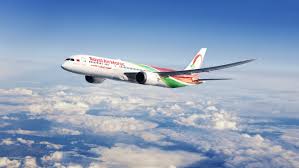
Getting There: Major airports in Casablanca (Mohammed V), Marrakech, Rabat, Agader, and Tangier connect Morocco to Europe, Africa, the Middle East, and beyond. Budget airlines from Europe such as Easyjet and Ryanair also make Morocco easily accessible.
Marrakech – the heartbeat of Morocco
No Moroccan journey feels complete without Marrakech. Known as the “Red City” for its terracotta-coloured buildings, Marrakech bursts with life, history, and culture.
Jamaa el-Fnaa Square: This iconic square is the beating heart of the city. By day, it’s filled with orange juice vendors, henna artists, and snake charmers. By night, it transforms into a buzzing open-air food court with sizzling grills, musicians, and storytellers. I could spend hours just walking around, tasting street food like grilled meats, snail soup, or fresh juices, and soaking up the vibrant atmosphere.
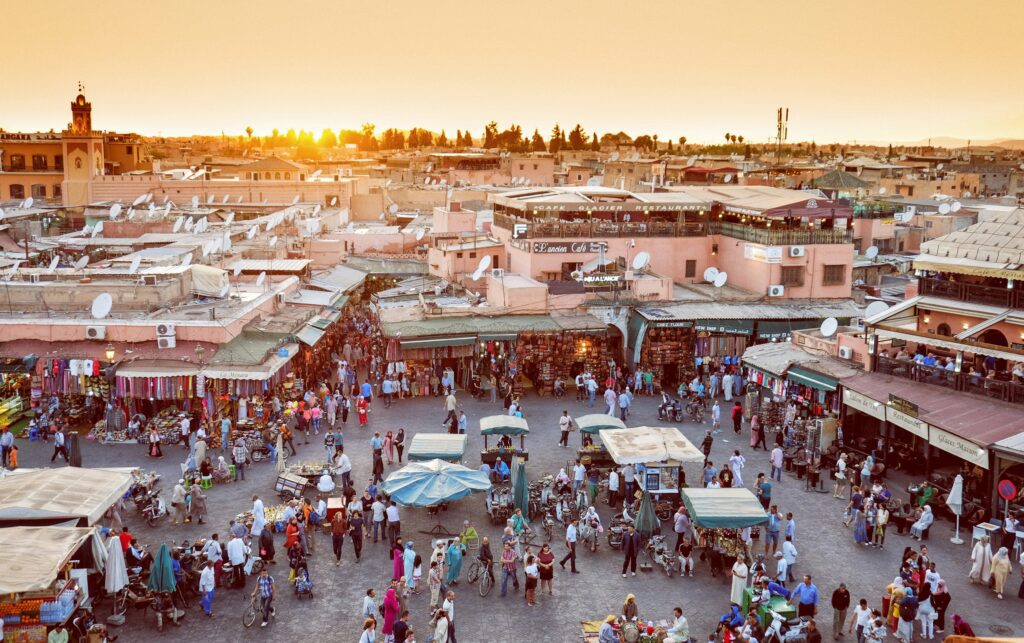
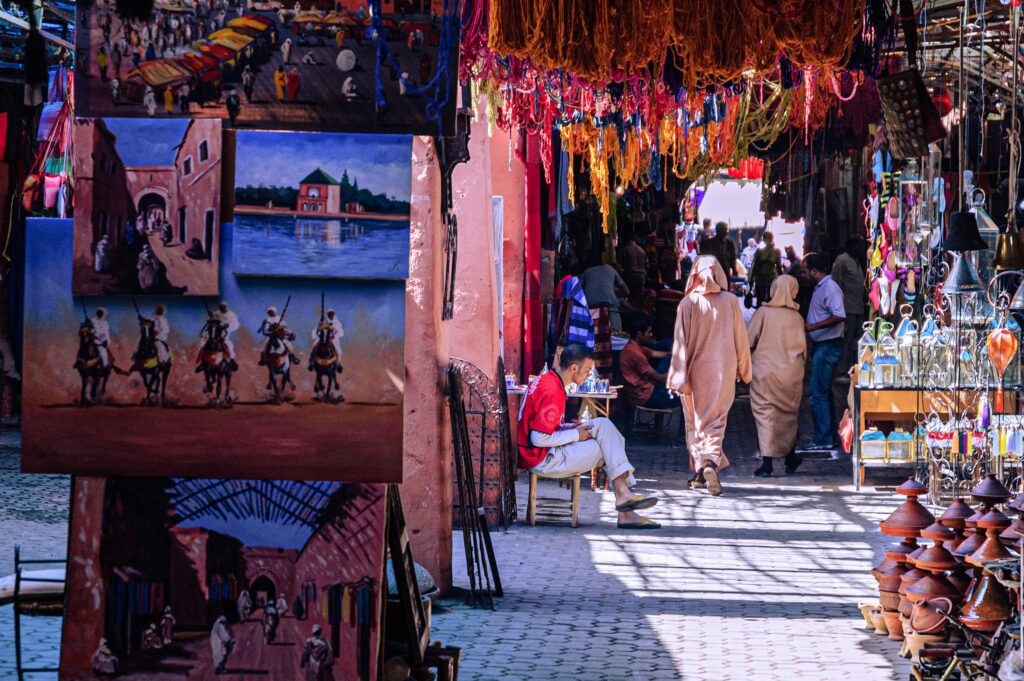
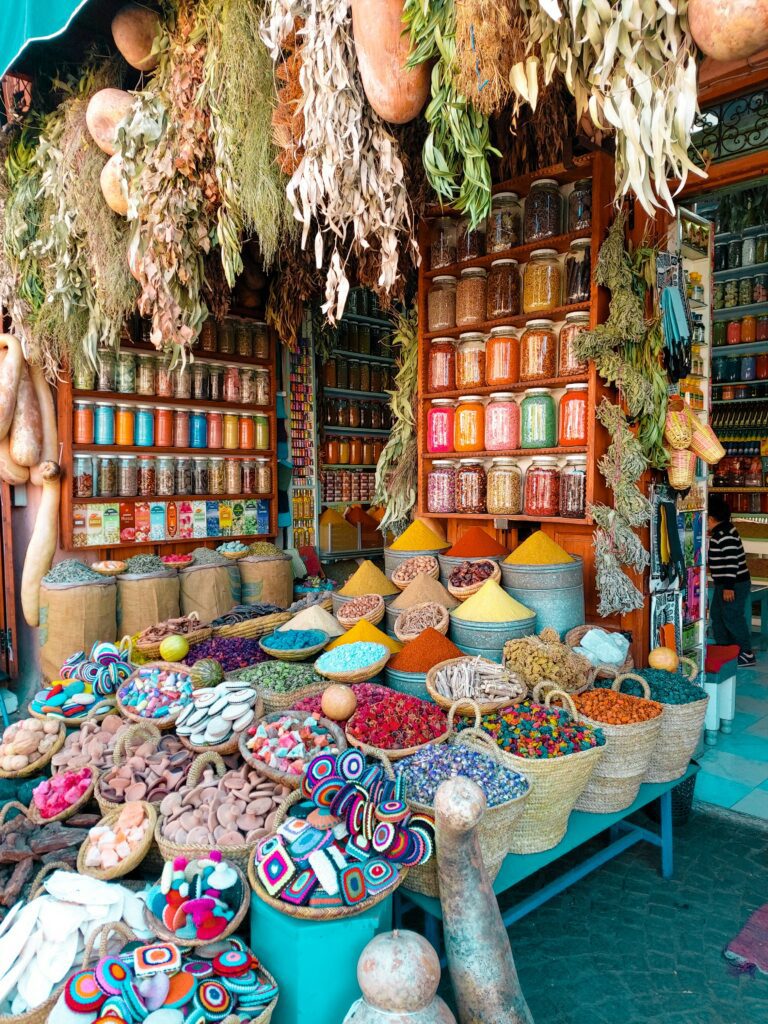
The Souks: Marrakech’s markets are a maze of narrow alleys filled with textiles, carpets, lanterns, ceramics, spices, and leather goods. Bargaining here is not only expected but also part of the fun. Each corner reveals something new – hand-woven rugs, delicate jewellery, or the scent of cumin and saffron drifting through the air.
Le Jardin Secret: Amid the hustle of the city lies this hidden gem, a beautifully restored garden. Its fountains, exotic plants, and Islamic-inspired architecture provide a peaceful contrast to the souk’s chaos.
Bahia Palace: A masterpiece of Moroccan design, this palace offers tiled courtyards, carved cedar wood, and peaceful gardens. Walking through, I felt connected to Morocco’s royal history and artistry.
Casablanca – modernity meets tradition
Casablanca often surprises visitors. While many see it as Morocco’s business hub, it is also a city of coastal beauty and cultural gems.
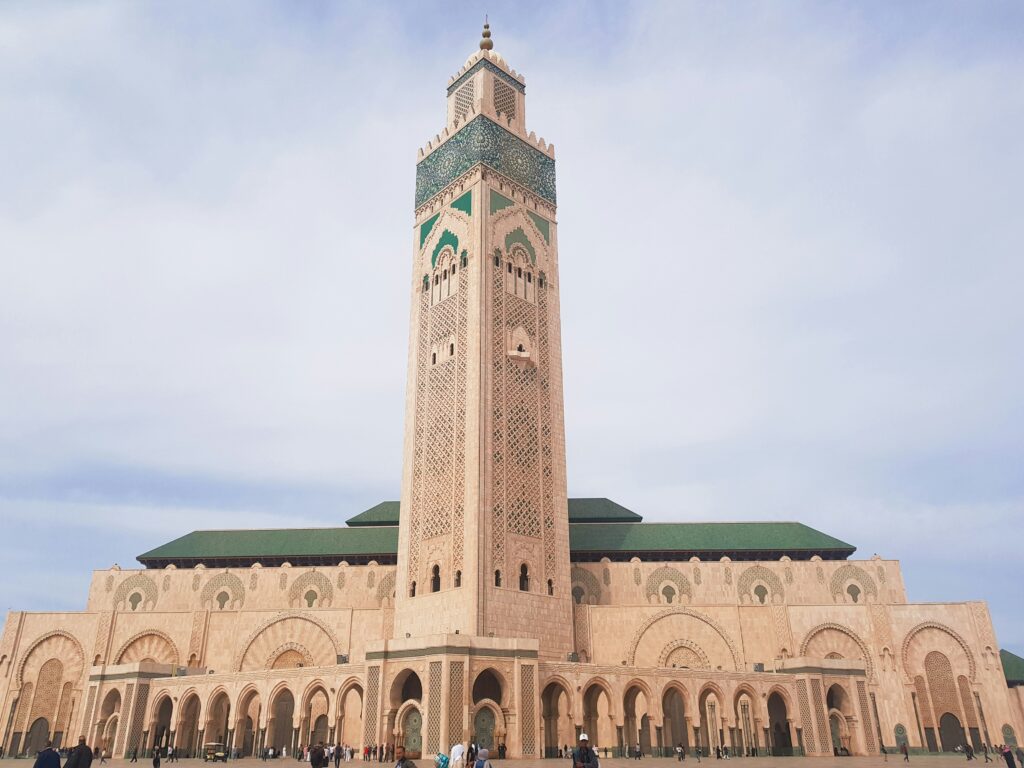
Hassan II Mosque: One of the largest mosques in the world, it stands majestically on the edge of the Atlantic. Its minaret, the tallest on Earth, towers above the city. I was impressed by the marble floors, hand-carved wood, and intricate mosaics. Even non-Muslim visitors can join guided tours, making it one of the few mosques in Morocco open to tourists.
The Corniche (Ain Diab): A seaside promenade lined with beaches, cafes, and clubs. Walking here in the evening with the ocean breeze felt refreshing after exploring the city.
Morocco Mall: A modern complex with international shops, restaurants, and even an aquarium. It reflects Morocco’s growing modern identity while still remaining close to its traditions.
Rabat – royal heritage and serenity
As the capital, Rabat offers a calmer, more refined experience than Marrakech or Casablanca. It is a city of government, culture, and history.
The Royal Palace: While closed to the public, the palace’s gates and surrounding gardens are worth seeing. It symbolizes Morocco’s monarchy, which continues to play a central role in national life.
Hassan Tower & Mausoleum of Mohammed V: These monuments are deeply tied to Morocco’s history. The unfinished minaret and the beautiful white marble mausoleum are a must-visit for anyone interested in the country’s past.
Kasbah of the Udayas: A charming, fortress-like neighbourhood with narrow blue-and-white painted streets. Walking here, I felt like I had stepped into a painting.
Agadir- shores of the Atlantic
Agadir is one of Morocco’s most famous coastal cities, located on the shores of the Atlantic Ocean in the southern part of the country. It is well known as a modern resort city that attracts both local and international visitors, thanks to its wide sandy beaches, pleasant climate, and vibrant tourism industry. The city today has broad avenues, modern hotels, and a relaxed atmosphere that feels very different from cities like Marrakech or Fes.
Getting to Agadir from Marrakech is quite straightforward. The distance between the two cities is about 250 kilometers. By road, it takes around 3 to 4 hours, with buses and private taxis offering daily services. There is also a modern highway that makes the trip more comfortable. For those who prefer flying, Agadir Al-Massira Airport handles domestic flights, including regular connections from Marrakech, which take less than an hour. This accessibility makes Agadir a popular extension for tourists who start their journey in Marrakech but want to relax by the coast.
Historic cities and palaces beyond
While my trip focused on Marrakech, Casablanca, and Rabat, Morocco is filled with historic cities worth exploring:
Fez: Fez (also spelled Fès) is one of Morocco’s most historic and culturally rich cities. Founded in the 9th century, it is often called the “spiritual and cultural capital” of the country. The city is best known for its ancient medina, Fes el-Bali, a UNESCO World Heritage Site filled with narrow alleyways, bustling souks, traditional tanneries, and beautiful Islamic architecture. Fez is home to the University of Al Quaraouiyine, considered the oldest existing university in the world, founded in 859.
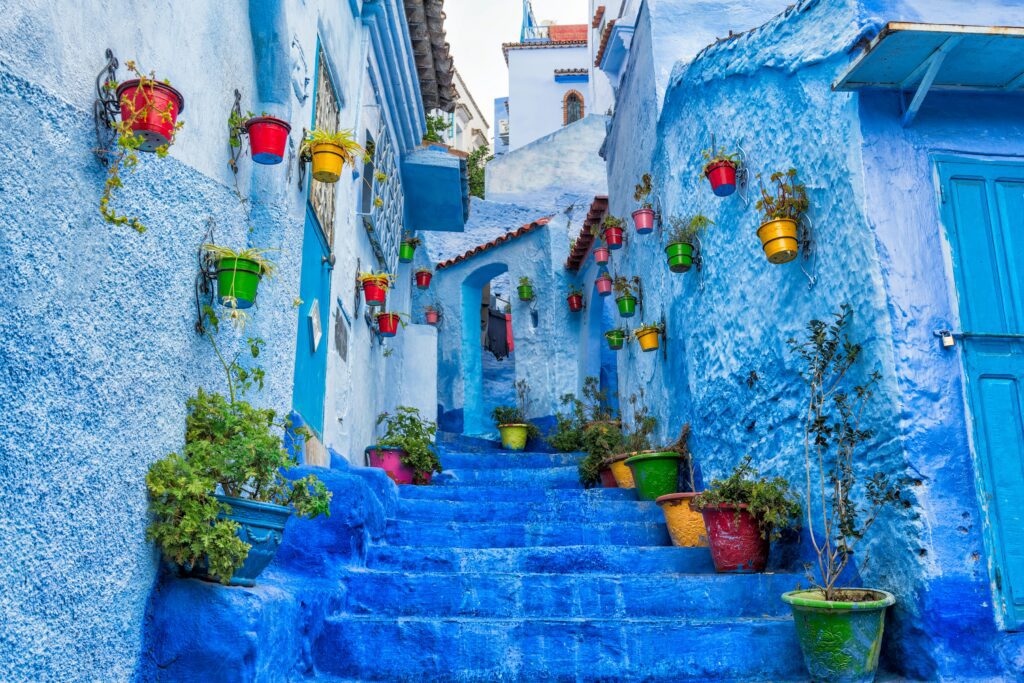
Chefchaouen: Chefchaouen: often called the “Blue Pearl” of Morocco, is a small city in the Rif Mountains famous for its blue-painted houses and streets. The soothing shades of blue give the town a unique charm, attracting photographers, artists, and travellers from around the world.
Founded in 1471, Chefchaouen has a rich history influenced by Berber, Andalusian, and Jewish cultures. Its medina is smaller and more relaxed compared to big cities like Fez or Marrakech, making it a perfect place for peaceful exploration.
Meknes: one of Morocco’s four imperial cities, known for its grand architecture and historical importance. Founded in the 11th century, it became especially prominent in the 17th century under Sultan Moulay Ismail, who made it his capital. The city is famous for landmarks such as Bab Mansour, one of the most beautiful gates in Morocco, and the Mausoleum of Moulay Ismail. Meknes is also close to the Roman ruins of Volubilis, a UNESCO World Heritage Site, which adds to its appeal for history lovers. With its mix of imperial grandeur and a calm atmosphere, Meknes is often described as Morocco’s “hidden gem.”
Each of these cities tells a unique chapter of Morocco’s story.
Festivals and cultural events
Morocco’s festivals add rhythm and colour to its culture:
Mawazine Festival (Rabat, June): A massive music festival featuring both Moroccan and international artists.
Gnaoua World Music Festival (Essaouira, June): Celebrates Gnaoua music, with performances across the seaside city.
Fes Festival of World Sacred Music (May/June): A cultural event bringing together spiritual music from around the globe.
Eid Al-Fitr and Eid Al-Adha: Important Islamic holidays marked by family gatherings, special meals, and community spirit.
Ramadan Nights: During Ramadan, evenings in Morocco come alive with special foods, prayers, and social gatherings.
Practical travel tips
Best Time to Visit: Spring (March – May) and Fall (September – November) offer mild weather. Summers can be scorching, especially in Marrakech and the desert. Winters are cool and pleasant in coastal cities.
Transport: Trains (ONCF) are reliable for traveling between major cities. Within cities, taxis are affordable, but always agree on the fare before starting. Buses and ride-hailing apps are also available in big cities.
Money: ATMs are common, and credit cards are widely accepted in modern establishments. Bargaining is expected in markets, so carry cash.
Dress Code: Modest dress is recommended, especially when visiting religious sites or rural areas. In tourist zones, the dress code is more relaxed.
Language Tips: Learn a few Arabic or French phrases; Moroccans appreciate the effort. “Shukran” (thank you) and “Salam Alaikum” (hello/peace be upon you) go a long way.
Hammam Experience: Visiting a traditional Moroccan bathhouse is a cultural must. It’s both relaxing and deeply rooted in local lifestyle.
Food and flavours of Morocco
Moroccan cuisine is as colourful and vibrant as its culture:
Tagine: A slow-cooked stew of meat, vegetables, and spices prepared in a clay pot.
Couscous: A staple dish often served on Fridays, topped with vegetables and meat.
Pastilla: A savory-sweet pie filled with pigeon or chicken, almonds, and cinnamon.
Mint Tea: Known as “Moroccan whiskey,” it is sweet, refreshing, and a symbol of hospitality.
Street Food: Don’t miss out on harira (soup), msemen (flatbread), or fresh orange juice in Jamaa el-Fnaa.
Beyond the cities – Morocco’s landscapes
Sahara Desert: Camel trekking and camping under starry skies in Merzouga or Zagora is a once-in-a-lifetime experience.
Atlas Mountains: Ideal for hiking, skiing in Ifrane during winter, and exploring Berber villages.
Atlantic Coast: Essaouira, a coastal town, is perfect for kitesurfing, seafood, and relaxed vibes. Agadir offers sandy beaches and resorts.
https://www.visitmorocco.com/en
My reflections
Traveling through Morocco was not just about monuments or markets. It was about connection—with the people, with the history, and with the energy that pulses through the streets. Marrakech taught me vibrancy, Casablanca showed me modern ambition, and Rabat reflected Morocco’s elegance and calm.
For me, Morocco is a country of living stories. Every tiled courtyard, every call to prayer, every steaming cup of mint tea tells a tale of resilience, tradition, and beauty. It is a country that stays with you long after you leave, pulling you back with its charm, hospitality, and depth.
https://cirmaax.com/around-the-world-with-abdikarim-baarjeeh-turkey/