Sultanate of Oman is one of those rare destinations where tradition and modernity coexist gracefully. Unlike its glitzy Gulf neighbours, Oman has chosen a path of understated charm, carefully preserving its cultural heritage while opening up to the world with warmth and hospitality. From its sweeping deserts and rugged mountains to lush southern landscapes and pristine coastlines, Oman offers travellers a window into a part of Arabia that feels authentic, serene, and timeless.
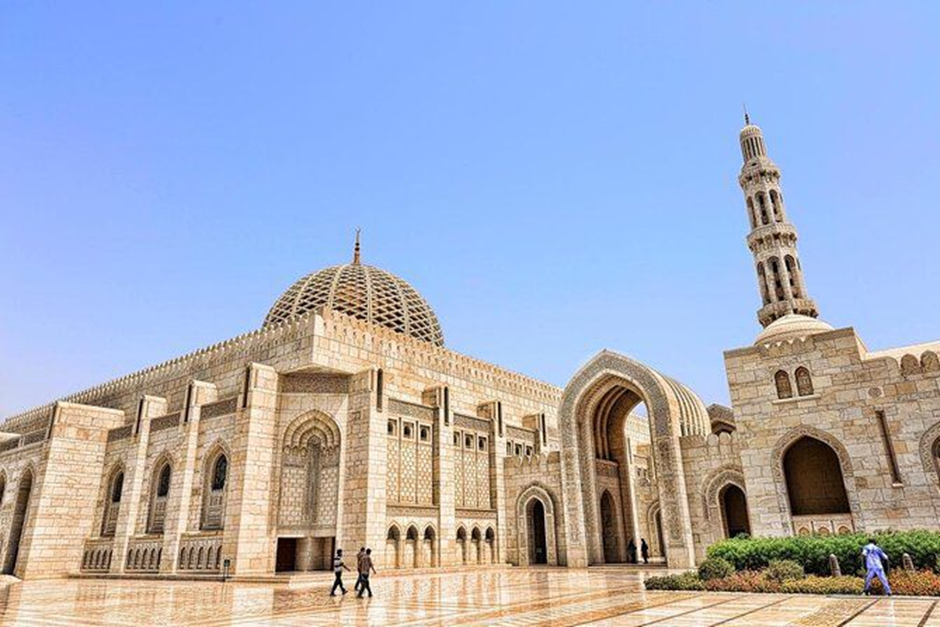
During my journey, I travelled through Salalah, Dhofar, and Muscat, each region leaving me with unique impressions. I discovered not just the beauty of Oman’s natural landscapes but also the depth of its history and the generosity of its people. This is a country where you can sip cardamom coffee in a bustling souq, hike among frankincense trees, wander through centuries-old forts, and then relax by turquoise waters—all in a single trip.
Country information
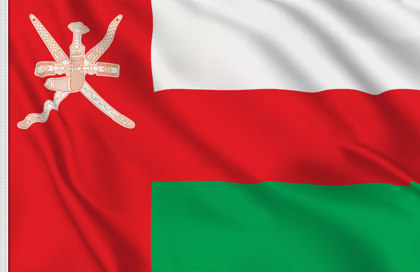
Official Name: Sultanate of Oman
- Capital: Muscat
- Population: ~5 million
- Language: AraOfficial Name: Sultanate of Oman
- Capital: Muscat
- Population: ~5 million
- Language: Arabic (English widely spoken)
- Religion: Islam (mainly Ibadi, also Sunni & Shia)
- Currency: Omani Rial (OMR) – one of the world’s strongest currencies
- Government: Absolute monarchy
- Current Sultan: Haitham bin Tariq Al Said
- Geography: Southeastern Arabian Peninsula, borders UAE, Saudi Arabia, Yemen
- Major Cities: Muscat, Salalah, Sohar, Nizwa
- Economy: Oil & gas, tourism, logistics, fisheries, mining
- Main Airlines: Oman Air (flag carrier), SalamAir (low-cost)
- Main Airports: Muscat International, Salalah International, Duqm, Sohar
- Tourism Highlights: Muscat Grand Mosque, Nizwa Fort, Wahiba Sands, Salalah (Khareef season), Musandam fjords, Jebel Shams mountainsbic (English widely spoken)
- Religion: Islam (mainly Ibadi, also Sunni & Shia)
- Currency: Omani Rial (OMR) – one of the world’s strongest currencies
- Government: Absolute monarchy
- Current Sultan: Haitham bin Tariq Al Said
- Geography: Southeastern Arabian Peninsula, borders UAE, Saudi Arabia, Yemen
- Major Cities: Muscat, Salalah, Sohar, Nizwa
- Economy: Oil & gas, tourism, logistics, fisheries, mining
- Main Airlines: Oman Air (flag carrier), SalamAir (low-cOfficial Name: Sultanate of Oman
- Capital: Muscat
- Population: ~5 million
- Language: Arabic (English widely spoken)
- Religion: Islam (mainly Ibadi, also Sunni & Shia)
- Currency: Omani Rial (OMR) – one of the world’s strongest currencies
- Government: Absolute monarchy
- Current Sultan: Haitham bin Tariq Al Said
- Geography: Southeastern Arabian Peninsula, borders UAE, Saudi Arabia, Yemen
- Major Cities: Muscat, Salalah, Sohar, Nizwa
- Economy: Oil & gas, tourism, logistics, fisheries, mining
- Main Airlines: Oman Air (flag carrier), SalamAir (low-cost)
- Main Airports: Muscat International, Salalah International, Duqm, Sohar
- Tourism Highlights: Muscat Grand Mosque, Nizwa Fort, Wahiba Sands, Salalah (Khareef season), Musandam fjords, Jebel Shams mountainsost)
- Main Airports: Muscat International, Salalah International, Duqm, Sohar
- Tourism Highlights: Muscat Grand Mosque, Nizwa Fort, Wahiba Sands, Salalah (Khareef season), Musandam fjords, Jebel Shams mountains
Muscat – capital of tradition and modernity
My adventure began in Muscat, Oman’s capital city. Compared to the lush south, Muscat is more arid, with mountains rising directly behind the city and the Gulf of Oman stretching out in front. What makes Muscat stand out is its commitment to balancing modern development with traditional aesthetics. Unlike other Gulf capitals, there are no towering skyscrapers here – buildings are low-rise, whitewashed, and designed to reflect Omani heritage.
Cultural highlights
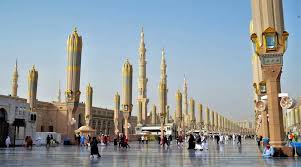
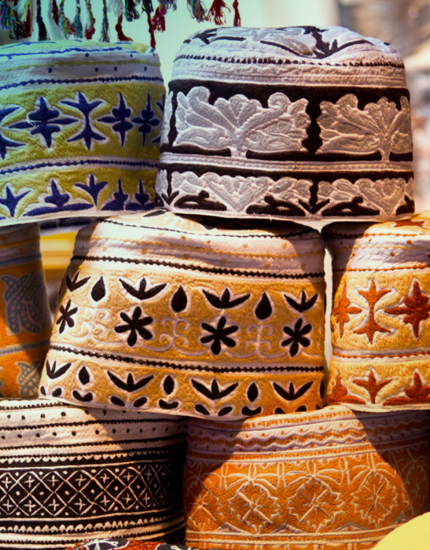
The Sultan Qaboos Grand Mosque is one of the most beautiful mosque I’ve ever visited. Its prayer hall, with a massive crystal chandelier and one of the world’s largest hand-woven carpets, left me in awe. The architecture combines Islamic design with Omani artistry, and visitors of all faiths are welcome during non-prayer hours.
The Royal Opera House is another landmark, showcasing Oman’s dedication to culture. Its performances range from classical music to traditional Omani shows, making it a hub for artistic expression.
Seaside charm
Walking along the Mutrah Corniche, I enjoyed views of the harbour, where traditional wooden dhows floated beside modern yachts. The Corniche is lined with cafes, making it a great place to relax and watch daily life.
The Mutrah Souq, one of Oman’s oldest marketplaces, was a highlight. Its narrow alleys brimmed with silver jewellery, pashminas, lanterns, and spices. I found myself bargaining for a handcrafted khanjar (the traditional Omani dagger), which is both a cultural symbol and a popular souvenir.
Historic Forts
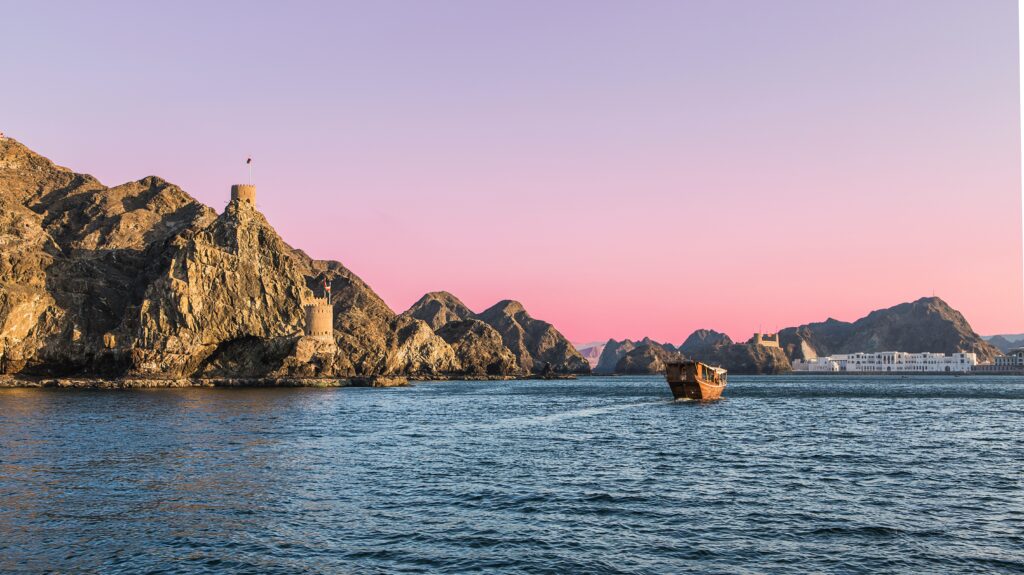
Muscat is also home to several forts. Al Jalali and Al Mirani, perched on rocky hills overlooking the harbour, are reminders of Oman’s strategic maritime past. Though closed to the public, their presence adds drama to the city’s skyline.
Salalah – the Jewel of the South
From Muscat, I flew to Salalah the capital of Oman’s southern Dhofar region. What makes Salalah so unique is its climate. While most of the Arabian Peninsula remains arid, Salalah transforms into a lush green paradise during the Khareef season (June to September), when monsoon rains from the Indian Ocean drench the land. Rolling hills, waterfalls, and carpets of greenery appear, earning Salalah the nickname “the Switzerland of Arabia.”
Nature and scenery
I spent a morning at Al Mughsail Beach, where dramatic cliffs rise above the crashing waves. The highlight was the famous blowholes, natural vents in the rocks that shoot seawater into the air when the tide is strong. The sound of the waves mixed with the salty spray created an atmosphere both wild and soothing.
Nearby, the Wadi Darbat valley impressed me with waterfalls cascading into emerald pools, surrounded by grazing camels. It’s a perfect spot for picnics, and during Khareef, it feels almost surreal to be in such greenery in the middle of Arabia.
History and Heritage
Salalah is also steeped in history. I visited the Sumhuram Archaeological Park, the site of an ancient port city that once traded frankincense with the Roman Empire. Walking among the ruins, I could imagine ships loading up with the resin that would later scent temples and palaces across the Mediterranean.
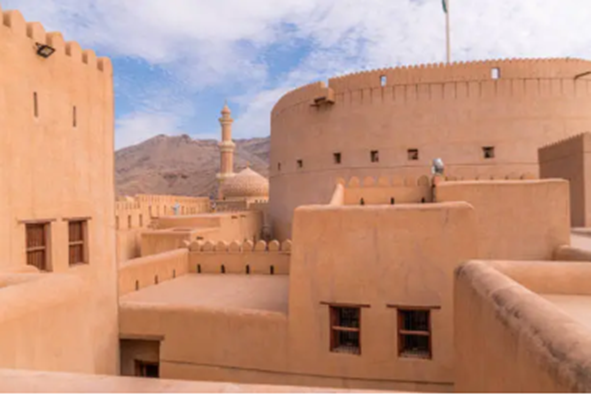
The Frankincense Land Museum, part of the Al Baleed Archaeological Park, added another layer of understanding. Exhibits here trace Oman’s maritime history and its pivotal role in the ancient frankincense trade routes.
Souqs and daily life
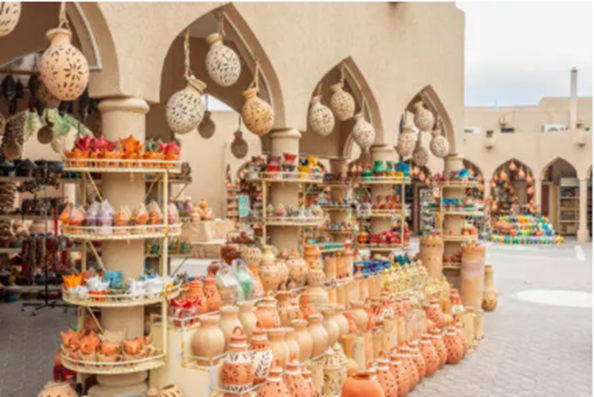
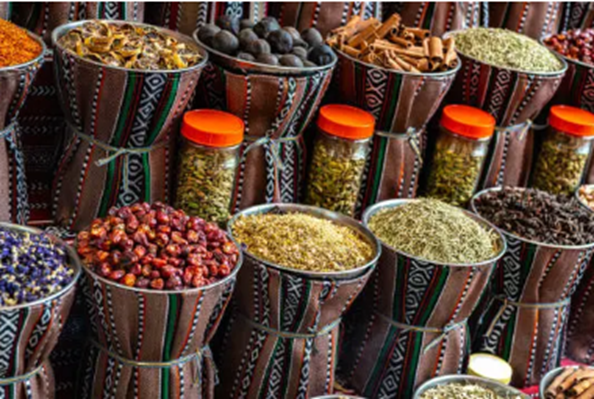
No trip to Salalah is complete without exploring its souqs. The Haffa Souq was a sensory experience: piles of frankincense resin glistened like amber, stalls overflowed with colourful textiles, and the air was heavy with the fragrance of perfumes and spices. I enjoyed chatting with vendors, many of whom were eager to explain the grades of frankincense and their uses.
Dhofar – Mountains, Villages, and Frankincense
Traveling deeper into the Dhofar region, I was struck by the diversity of the landscapes. From golden deserts to misty mountains, Dhofar feels like a country within a country.
Mountains and Villages
The Dhofar Mountains rise above the coastal plains, offering breathtaking views and cooler temperatures. I drove through winding roads lined with frankincense trees, stopping occasionally at small villages. The traditional Omani houses, built from stone and mud with flat roofs, reflected a simple yet practical way of life.
During Khareef months, the mountains are covered in mist, creating an almost mystical atmosphere. Shepherds lead their flocks through green valleys, and the smell of wet earth mingles with the sweet scent of frankincense.
Frankincense Farms
Dhofar is the world’s most famous source of frankincense, and visiting a farm was a highlight of my trip. I watched as farmers carefully cut the bark of Boswellia trees to release the resin. The process, unchanged for centuries, felt like witnessing living history. It made me realize why frankincense was once valued more than gold.
Desert experiences
Beyond the green mountains lies the Rub’ al Khali (Empty Quarter), the largest sand desert in the world. Golden dunes stretch endlessly, and the silence is profound. Spending an evening here under a sky full of stars was humbling—a reminder of how vast and untouched nature can be.
Food and culinary delights
Omani cuisine is hearty, flavourful, and deeply tied to tradition. Some of the dishes I recommend travellers try include:
Shuwa – Lamb marinated in spices, wrapped in banana leaves, and slow-cooked in an underground oven for up to two days. Often served during Eid, it’s a dish of celebration.
Majboos or Kabsa – Spiced rice with chicken or fish, similar to other Gulf dishes but with Omani flavours.
Mashuai – Grilled kingfish served with lemon rice, reflecting Oman’s coastal bounty.
Harees – A comforting porridge made of wheat and meat, often eaten during Ramadan.
Halwa – A sweet made from rose water, ghee, and saffron, typically served with Omani coffee.
Sharing meals with locals was one of the most rewarding parts of my trip. Omani hospitality is legendary—guests are always offered dates and coffee, and conversations flow easily around the dining table.
Festivals and events
Oman’s cultural calendar is lively, offering visitors the chance to experience local traditions:
- Muscat Festival (January – February) A celebration of Omani culture, with music, dance, food stalls, and handicrafts.
- Salalah Tourism Festival (Khareef Festival, July – September) A vibrant event marking the monsoon season, with concerts, markets, and family activities.
- National Day (November 18th) Parades, fireworks, and festivities across the country to honour Oman’s independence and Sultan Qaboos’s legacy.
- Ramadan and Eid – A spiritual time when communities gather for prayers and feasts. Visitors can enjoy the festive atmosphere, though it’s important to respect local customs.
Practical travel tips for Oman
Best Time to Visit: October to April for most of Oman. For Salalah, June to September during Khareef is ideal.
Getting There: Muscat International Airport (MCT) is the main gateway. Salalah has its own international airport with regional flights. Oman air is the national carrier with vast network connections around the world
Transport: Renting a car is highly recommended, especially for Dhofar and Salalah. Roads are excellent, and driving is safe. Taxis and ride-hailing apps operate in Muscat.
Currency: Omani Rial (OMR), one of the strongest currencies in the world. Credit cards are widely accepted.
Language: Arabic is the official language, but English is commonly spoken in tourist areas.
Religion: Islam is the dominant faith, with most Omanis following the Ibadi branch. Respect religious customs, especially during Ramadan.
Dress Code: Modest clothing is expected. Women should cover shoulders and knees, and headscarves are required inside mosques.
Safety: Oman is one of the safest countries in the Middle East, with low crime rates and welcoming locals.
Personal reflections on Oman
Traveling through Oman felt like stepping into a living museum of culture and nature. In Salalah, I discovered a green oasis that defied desert stereotypes. In Dhofar, I connected with the ancient frankincense trade and the serenity of mountain villages. And in Muscat, I witnessed a capital city that values heritage as much as progress.
What stood out most was the Omani hospitality. Everywhere I went, people welcomed me warmly, often offering coffee and dates before even asking my name. This generosity, paired with the country’s breathtaking landscapes and deep-rooted traditions, made Oman unforgettable.
For me, Oman was not just a trip – it was a journey into the essence of Arabia, where culture, nature, and history intertwine.
Final thoughts
Oman is a country that captivates quietly. It doesn’t dazzle with skyscrapers or theme parks but instead invites you to explore its mountains, deserts, and coastlines at your own pace. It asks you to pause, to breathe in the scent of frankincense, to listen to the waves on a deserted beach, to wander a souq where history still whispers.
For travellers seeking a destination that combines authenticity with adventure, Oman is a perfect choice. Whether it’s Salalah’s lush greenery, Dhofar’s frankincense-rich mountains, or Muscat’s cultural landmarks, Oman tells a story of resilience, tradition, and beauty.
It is a place I will always carry with me—a reminder that true luxury in travel is not about extravagance but about meaningful connections with people, places, and history.
https://cirmaax.com/around-the-world-with-abdikarim-bulgaria-history-2026/