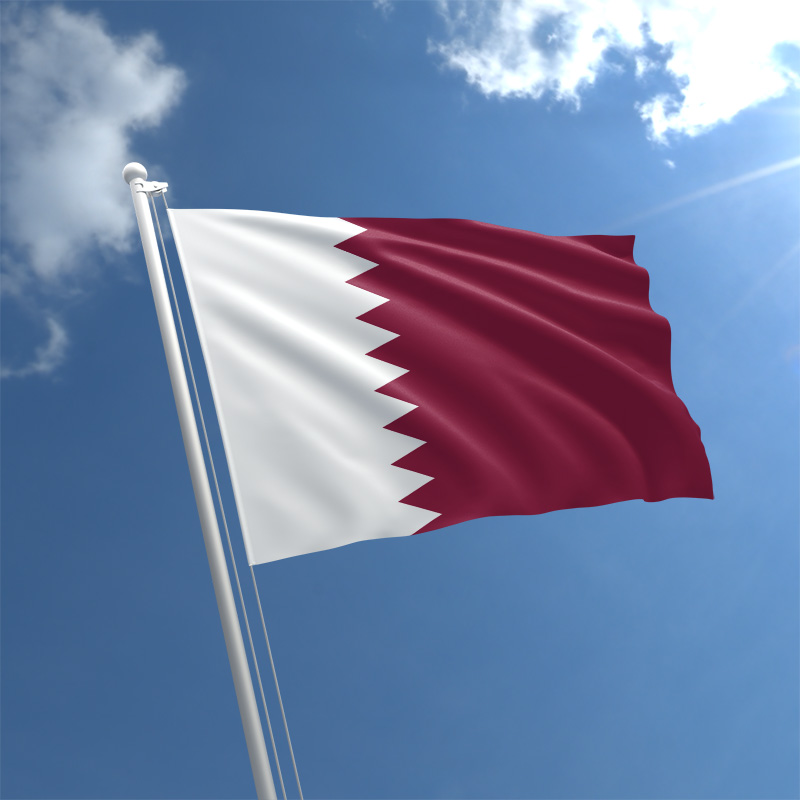
When people think of the Middle East, many imagine vast deserts, ancient traditions, and oil wealth. Qatar embodies all of that, but it also represents something more—a nation that has transformed itself into a modern, global hub while holding tightly to its cultural roots.
During my visit to Doha and its surrounding areas, I was fascinated by how seamlessly Qatar blends old and new. Here, futuristic skyscrapers rise from the desert, while traditional markets still echo with the sounds and scents of Bedouin heritage. A simple stroll along Doha’s waterfront can reveal the essence of this small but mighty country: ambition, culture, and hospitality.
Table of Contents
Country Snapshot: Qatar
- Country Name: State of Qatar
- Capital: Doha
- Population: Around 3 million (only about 12% are Qatari citizens; the rest are expatriates mainly from South East Asia)
- Language: Arabic (official). English is widely spoken in business, tourism, and daily life.
- Currency: Qatari Riyal (QAR).
- Religion: Islam (Sunni Islam is the dominant faith). Islamic values shape laws, customs, and daily life.
- Geography: A peninsula in the Arabian Gulf, bordering Saudi Arabia by land and surrounded by the Persian Gulf.
Getting There: Hamad International Airport in Doha is one of the world’s best airports, with Qatar Airways connecting Doha to nearly every continent. Qatar Airways is the state-owned flag carrier of Qatar, with premium service and extensive global network. Operating from its hub at Hamad International Airport in Doha, the airline serves over 170 destinations across all inhabited continents.
Visa-free or visa-on-arrival is available for citizens of many countries.
Best Time to Visit: November to March, when the weather is mild and pleasant (20–28°C). Summers (May–September) can be extremely hot, with temperatures exceeding 40°C.
First Impressions of Doha
When I landed at Hamad International Airport, I immediately understood why it is often ranked among the world’s top airports. Spacious, efficient, and modern, it sets the tone for what awaits in Doha.
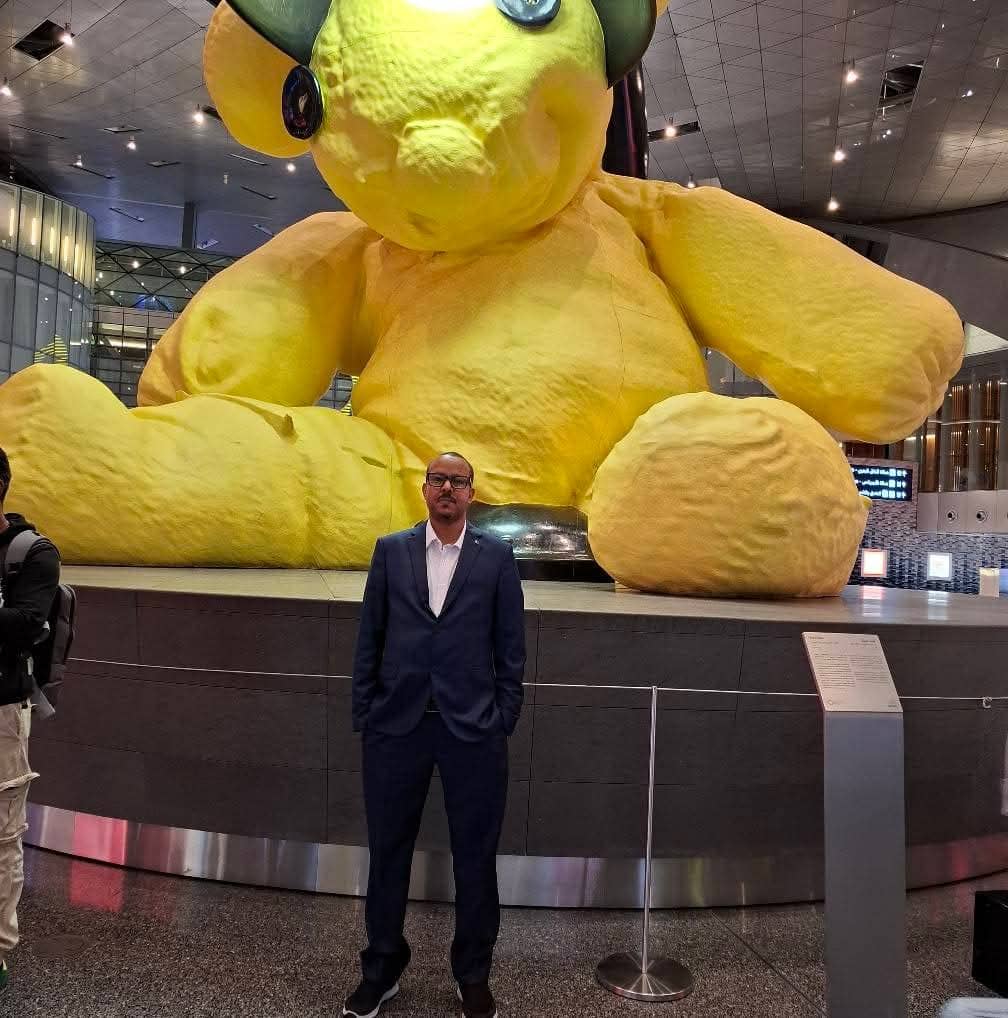
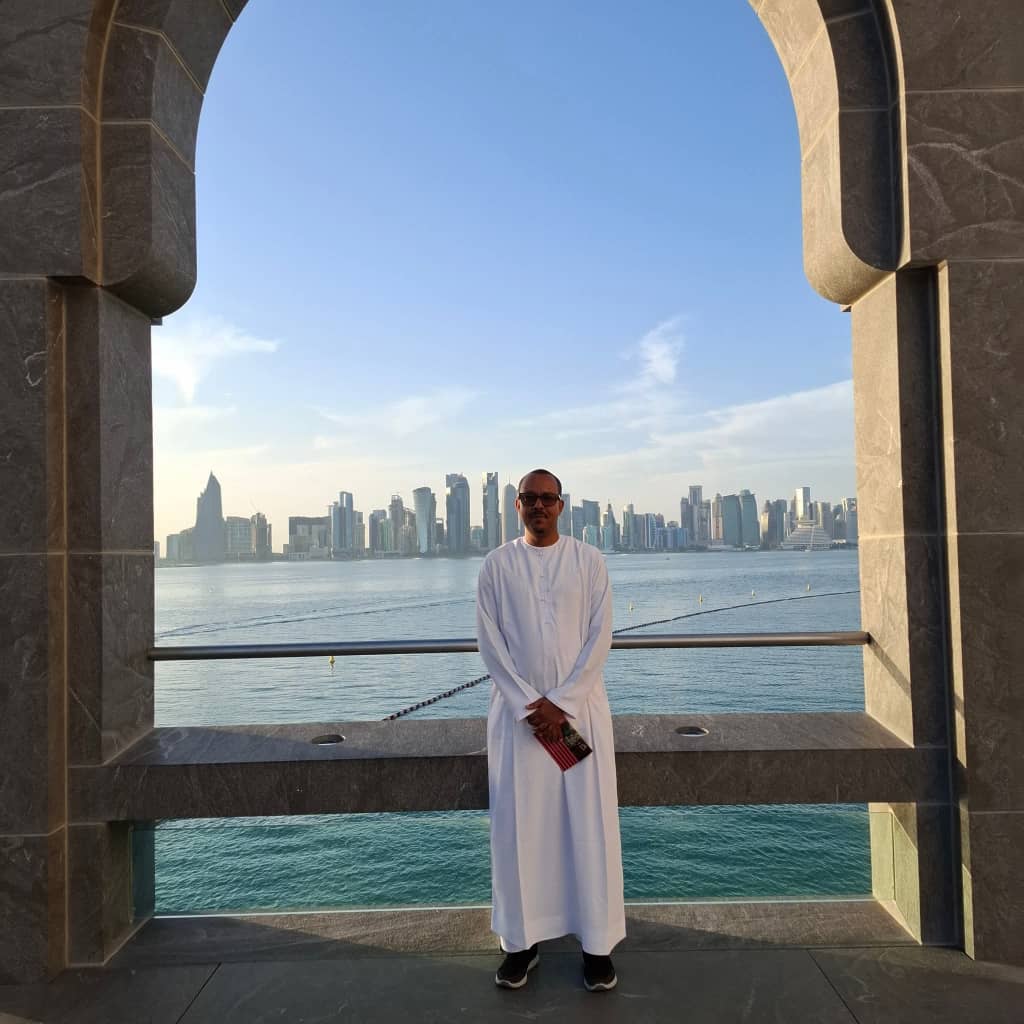
The first thing that struck me was the contrast between desert landscapes and glittering skylines. The city looked futuristic, yet it didn’t feel soulless. On the drive into the city, I passed shimmering skyscrapers, luxury hotels, and the beautiful Corniche curving along Doha Bay.
Walking the Corniche that evening, I watched locals jogging, families enjoying picnics, and tourists photographing the skyline. The warm breeze, the sound of water against the promenade, and the sight of traditional wooden dhows docked near modern yachts summed up Qatar perfectly—a nation straddling tradition and modernity.
Cultural Landmarks and Museums
Qatar takes culture seriously, investing heavily in museums and heritage projects. These are not just tourist attractions—they are a statement of national pride.
Museum of Islamic Art (MIA)
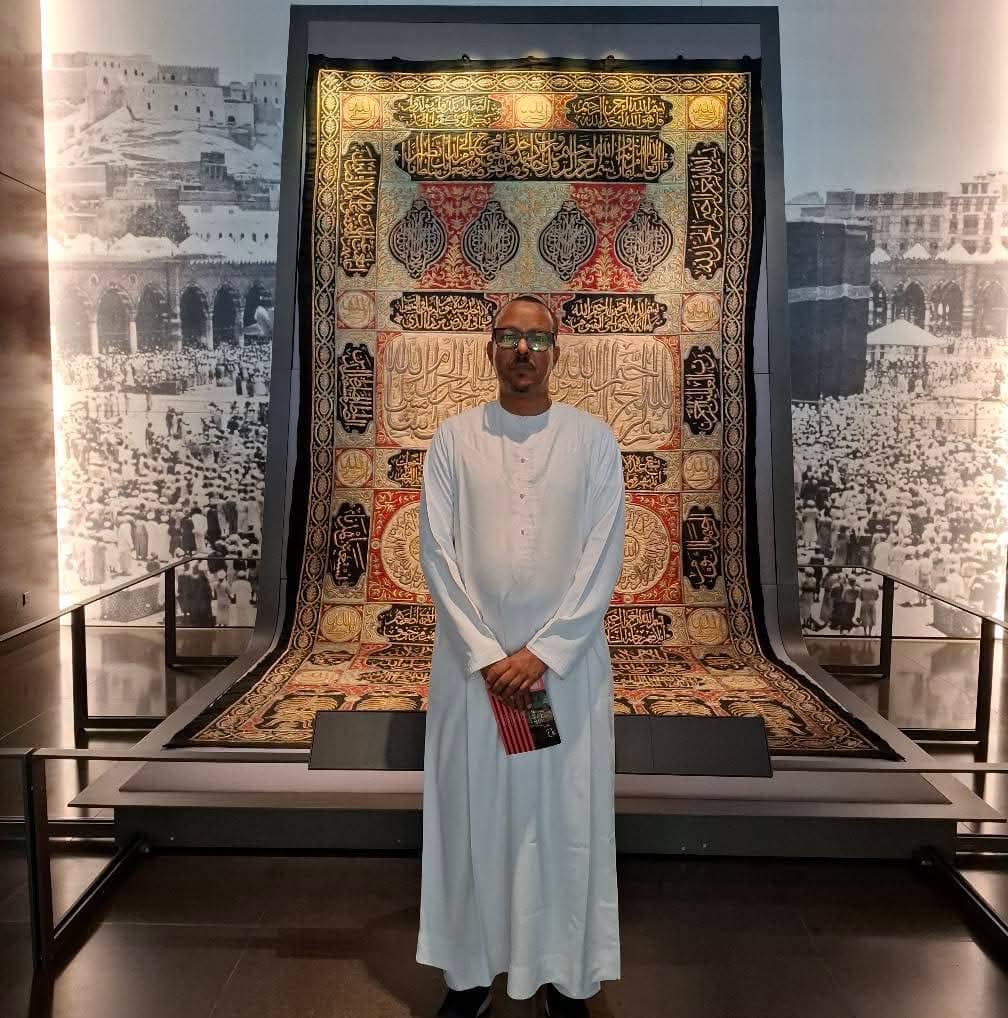
Designed by the famous architect I.M. Pei, this museum is a work of art itself. Its geometric exterior rises dramatically from the water, and inside, I explored centuries of Islamic creativity. From Persian carpets and Ottoman jewellery to ancient manuscripts and ceramics, each gallery revealed the depth of Islamic civilization.
National Museum of Qatar
Shaped like a desert rose crystal, this museum is both futuristic and deeply rooted in the country’s identity. Its exhibitions tell Qatar’s story—from its natural history and Bedouin traditions to its transformation into a modern state powered by oil and gas.
Katara Cultural Village
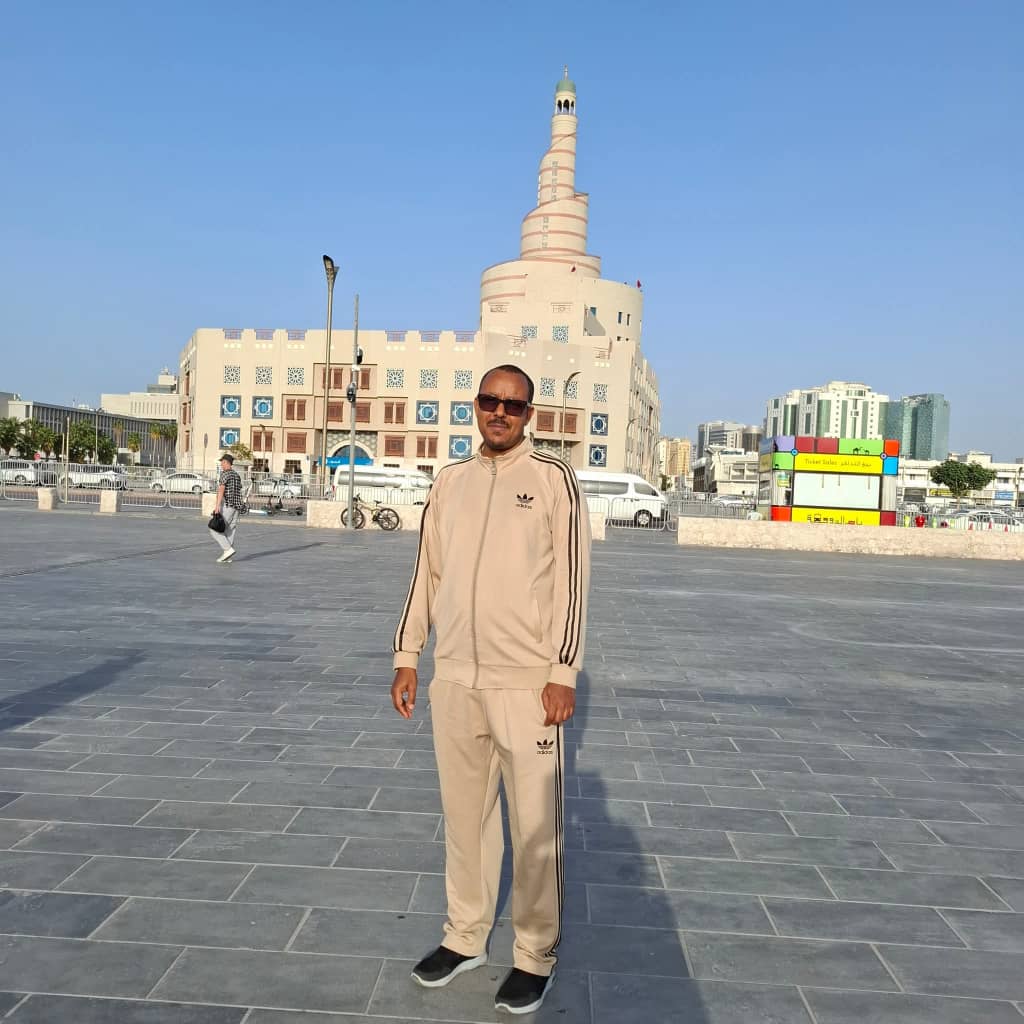
Katara is where Qatar showcases art, theatre, music, and food. I enjoyed wandering through its alleys lined with galleries, performance spaces, and cafes. Traditional dhow exhibitions, art fairs, and cultural festivals often take place here. It is the best place to experience Qatar’s vibrant cultural life beyond the museums.
Mosques and Spiritual Experiences
As a Muslim-majority country, mosques are central to Qatari life.
Imam Muhammad Ibn Abdul Wahhab Mosque (State Grand Mosque): The largest in Qatar, accommodating up to 30,000 worshippers. Its blend of traditional and modern Islamic architecture makes it a spiritual landmark. Non-Muslims can visit outside prayer times, provided they dress modestly.
Smaller mosques across the city also add charm to Doha’s neighbourhoods. As someone who spent many years in the west, hearing the call to prayer echo across the skyline while standing on the Corniche was one of the most moving moments of my trip.
Souks, Shopping, and Modern Leisure
No visit to Qatar is complete without exploring both its traditional markets and its luxurious malls.
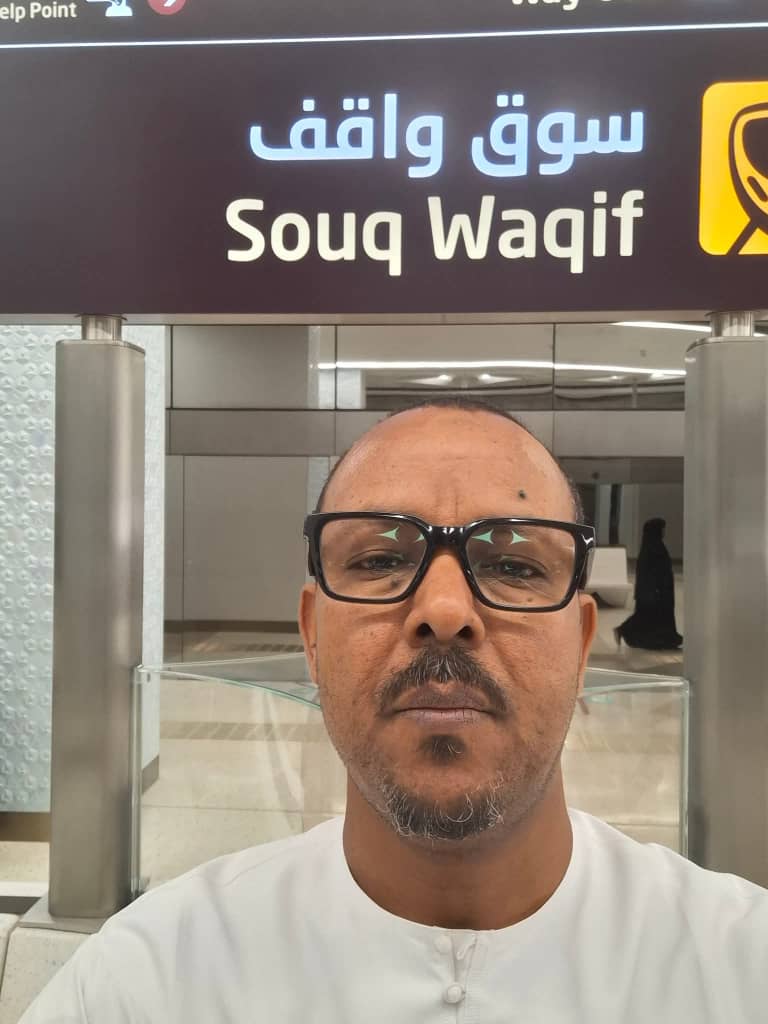
Souq Waqif
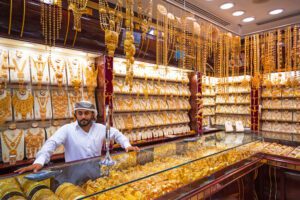
This traditional bazaar is my favourite spot in Doha. The narrow alleys are alive with stalls selling spices, perfumes, textiles, falcons, and souvenirs. The air is rich with aromas of oud (incense), freshly ground spices, and grilled kebabs.
I tasted machboos (a spiced rice dish with meat) and luqaimat (sweet dumplings drizzled with date syrup), which I highly recommend.
Bargaining is part of the fun, and shopkeepers are usually friendly.
The Pearl-Qatar
An artificial island filled with luxury shops, cafes, and marinas. Walking around its colourful Venetian-style buildings felt like stepping into southern Europe. It’s a favourite for upscale dining and yacht-watching.
Malls
If you enjoy modern shopping, Doha will not disappoint. Villaggio Mall with its Venetian canals and gondolas, and Doha Festival City with international brands and entertainment, combine shopping with leisure.
Beaches, Waterfronts, and Islands
Qatar’s position on the Arabian Gulf means beaches are never far away.
The Corniche: Perfect for evening walks, cycling, or boat rides.
Katara Beach: A family-friendly beach where you can kayak or relax by the sand.
The Pearl: Offers a mix of private and public beaches with upscale facilities.
Inland Sea (Khor Al Adaid): A natural wonder south of Doha, where the desert dunes meet the sea. This UNESCO-listed site can only be reached by 4×4, and the journey across the sand dunes is thrilling.
For me, the Inland Sea was the highlight of Qatar’s natural attractions—a place where you can see the desert kiss the ocean.
Lusail – A Glimpse of the Future
North of Doha, Lusail City is Qatar’s most ambitious urban project. It hosted the 2022 FIFA World Cup Final in its 80,000-seat stadium. The city features futuristic towers, wide boulevards, and smart infrastructure. Walking through Lusail felt like stepping into a city of tomorrow.
Festivals and Events in Qatar
Qatar may be small, but its cultural calendar is vibrant.
- Qatar National Day (December 18): Celebrated with parades, fireworks, and cultural displays.
- Qatar International Food Festival (March): A paradise for food lovers, with chefs from around the world showcasing dishes.
- Eid al-Fitr & Eid al-Adha: Marked by prayers, feasts, and family gatherings. Tourists are welcome to join public festivities.
- Ajyal Film Festival: Organized by the Doha Film Institute, showcasing international and Arab cinema.
- Qatar World Cup Legacy Events: Even after 2022, Lusail and Doha host major sports tournaments.
Food and Culinary Delights
Qatari cuisine is hearty, flavourful, and reflects both Bedouin traditions and Gulf influences. Some dishes every traveller should try:
Machboos: Spiced rice with chicken, lamb, or fish.
Harees: Slow-cooked wheat with meat, especially popular during Ramadan.
Balaleet: Sweet vermicelli with eggs, often served at breakfast.
Qatari Coffee (Gahwa): Lightly roasted with cardamom, usually served with dates.
Samboosa: Pastry filled with spiced meat or vegetables.
Dining at Souq Waqif or at seaside restaurants in The Pearl is the best way to experience both traditional and modern Qatari food.
Practical Travel Tips
Visa: Many nationalities enjoy visa-free entry. Always check before traveling.
Transport: Doha’s metro system is modern and efficient, perfect for tourists. Taxis and ride-hailing apps (Uber, Careem, Karwa) are also widely available.
Dress Code: Modest clothing is expected in public (shoulders and knees covered). Swimwear is acceptable at private hotel beaches.
Local Etiquette: Public displays of affection are discouraged. Friday is the holy day; many businesses open only after Friday prayers.
Internet & Connectivity: Fast Wi-Fi is common in hotels, cafes, and malls.
Accommodation: From luxury hotels like the Ritz-Carlton and St. Regis to budget-friendly stays, Doha has a wide range of options.
My Personal Reflections
Qatar left me deeply impressed. On one hand, it dazzles with its modernity—skylines, malls, luxury islands, and futuristic cities like Lusail. On the other, it preserves its Bedouin heritage, Islamic traditions, and Arabic hospitality.
For me, the highlight was the hospitality of the people. Whether I was bargaining at Souq Waqif, sipping coffee with locals, or being guided through a museum, I felt welcomed and respected. Qatar may be small, but it offers big experiences.
Traveling through Doha and beyond taught me that Qatar is not just a stopover between Europe and Asia—it is a destination in its own right.
Final Thoughts
Qatar is where tradition meets ambition. Its cultural landmarks, beaches, souks, and futuristic developments offer travellers a rich blend of experiences. Whether you’re visiting for a few days or longer, the country rewards you with history, modern comfort, and a glimpse into the future of the Arabian Gulf.
For me, Qatar was not just another stop on my world travels—it was a window into how nations can modernize without losing their soul. If you’re seeking a destination that is safe, welcoming, and full of discovery, Qatar should be on your list.