Uganda may not attract the same number of visitors as Kenya or Tanzania, but that is exactly part of its charm. While many travellers rush to the famous safari destinations of East Africa, Uganda quietly offers some of the continent’s most remarkable experiences without the crowds.
This beautiful country is often called the “Pearl of Africa,” a name given by British statesman Winston Churchill more than a century ago. After visiting Uganda, it is easy to understand why. The country is blessed with lush green landscapes, snow-capped mountains, vast lakes, dense rainforests, abundant wildlife, and some of the friendliest people in Africa.
Uganda feels different from many African destinations. The scenery is greener, the forests are thicker, and the wildlife experiences are often more intimate. It is a country where you can track mountain gorillas through misty forests in the morning, cruise along the Nile River in the afternoon, and watch lions roaming the savannah before sunset.
For travellers seeking something authentic, adventurous, and unforgettable, Uganda delivers in every way.
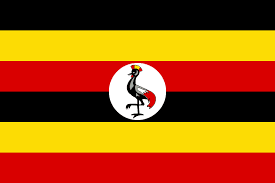
Getting to know Uganda
Uganda is located in East Africa and shares borders with Kenya, Tanzania, Rwanda, South Sudan, and the Democratic Republic of Congo.
Although it is a landlocked country, Uganda possesses one of Africa’s greatest natural treasures: Lake Victoria, the largest lake on the continent and the source of the mighty Nile River.
The country has a population of over 50 million people and is home to dozens of ethnic groups, each with its own traditions and culture. English and Swahili are official languages, while many local languages are spoken throughout the country.
The capital city, Kampala, serves as the political, economic, and cultural heart of Uganda.
What makes Uganda unique is the incredible variety of landscapes packed into a relatively small area. In a single journey, visitors can experience tropical forests, open savannahs, mountain ranges, volcanic landscapes, lakes, rivers, wetlands, and waterfalls.
Best time to visit
Uganda can be visited throughout the year because of its relatively mild climate.
The best time for wildlife viewing and gorilla trekking is during the dry seasons, from June to August and from December to February.
During these months, forest trails are less muddy and wildlife is generally easier to observe.
The rainy seasons, from March to May and September to November, bring greener landscapes and fewer tourists. Photographers often prefer these months because the countryside becomes exceptionally beautiful.
Since Uganda lies near the equator, temperatures remain comfortable throughout most of the year, particularly in the higher-altitude regions.
How to get there
Most international visitors arrive through Entebbe International Airport, located on the shores of Lake Victoria.
The airport serves as Uganda’s main international gateway and offers connections to major cities across Africa, Europe, the Middle East, and Asia.
Travellers from Somaliland and Somalia can usually reach Uganda through connecting flights via Nairobi, Addis Ababa, Doha, Dubai, or Istanbul.
Uganda’s national carrier has helped improve regional connectivity, making travel to the country easier than ever before.
Road travel is also possible from neighbouring countries such as Kenya, Rwanda, and Tanzania.
My first impression
My first impression of Uganda was simple: green, green, and more green.
As the aircraft descended toward Entebbe, I was struck by the endless greenery below. Forests, farms, wetlands, and rolling hills stretched in every direction.
Unlike some safari destinations that feel dry and dusty, Uganda feels alive with vegetation. The landscapes appear fresh and fertile throughout much of the year.
The second thing that impressed me was the warmth of the people. Ugandans are incredibly welcoming. Whether in cities, villages, hotels, restaurants, or national parks, I encountered smiles, hospitality, and genuine kindness.
The atmosphere felt relaxed and unhurried, making it easy to settle into the rhythm of the country.
Kampala and Uganda’s major cities
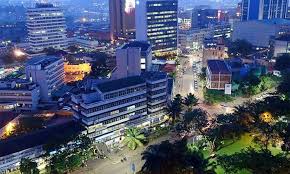
Kampala is one of East Africa’s most energetic cities.
Built across a series of hills, the city combines modern development with traditional culture. Busy markets, shopping centers, government buildings, universities, restaurants, and nightlife create a vibrant urban atmosphere.
One of Kampala’s greatest strengths is its people. The city feels lively and youthful, reflecting Uganda’s young and dynamic population.
Nearby Entebbe offers a completely different atmosphere. Located on the shores of Lake Victoria, it is calmer, greener, and more relaxed than Kampala. Many visitors spend time here before or after their safari adventures.
Other important cities include Jinja, often called East Africa’s adventure capital, and Mbarara, the gateway to south-western Uganda’s national parks.
The ultimate Gorilla experience
For many travellers, there is one overwhelming reason to visit Uganda: mountain gorillas.
Uganda is home to nearly half of the world’s remaining eastern mountain gorillas, making it one of the best places on Earth to observe these magnificent animals in their natural habitat.
The journey begins in Bwindi Impenetrable National Park, a place that truly lives up to its name. Dense forests cover steep hillsides, creating a mysterious and beautiful environment.
Trekking through the forest can be physically demanding. Guides lead visitors along narrow trails, sometimes climbing hills and crossing streams in search of gorilla families.
Then comes the moment every traveller remembers.
Suddenly, the guides signal for silence. Through the vegetation, a massive silverback appears. Nearby, mothers care for young gorillas while juveniles play among the trees.
Standing only a few meters away from wild mountain gorillas is one of the most powerful wildlife experiences in the world.
Unlike watching animals from a safari vehicle, gorilla trekking feels deeply personal. Looking into the eyes of a gorilla creates a connection that is difficult to describe.
Another advantage is cost. Gorilla permits in Uganda are significantly cheaper than those in neighbouring Rwanda, making Uganda one of the best-value destinations for this extraordinary experience.
The nearby Mgahinga Gorilla National Park also offers opportunities to see gorillas, as well as the rare and beautiful golden monkeys.
Queen Elizabeth national park
After gorillas, my favourite wildlife destination in Uganda was Queen Elizabeth National Park.
This remarkable park is one of the most biologically diverse protected areas in Africa. The variety of habitats is astonishing, ranging from open savannah and wetlands to forests and volcanic landscapes.
Wildlife viewing here is exceptional.
Elephants, buffaloes, hippos, crocodiles, antelopes, and numerous bird species are commonly seen. The park is also famous for its rare tree-climbing lions, which often rest on large fig tree branches.
The Kazinga Channel, connecting Lake Edward and Lake George, offers one of Africa’s finest boat safaris. Large concentrations of hippos, crocodiles, elephants, and water birds gather along its shores.
For birdwatchers, Queen Elizabeth National Park is a paradise, with more than 600 recorded bird species.
Murchison falls national park
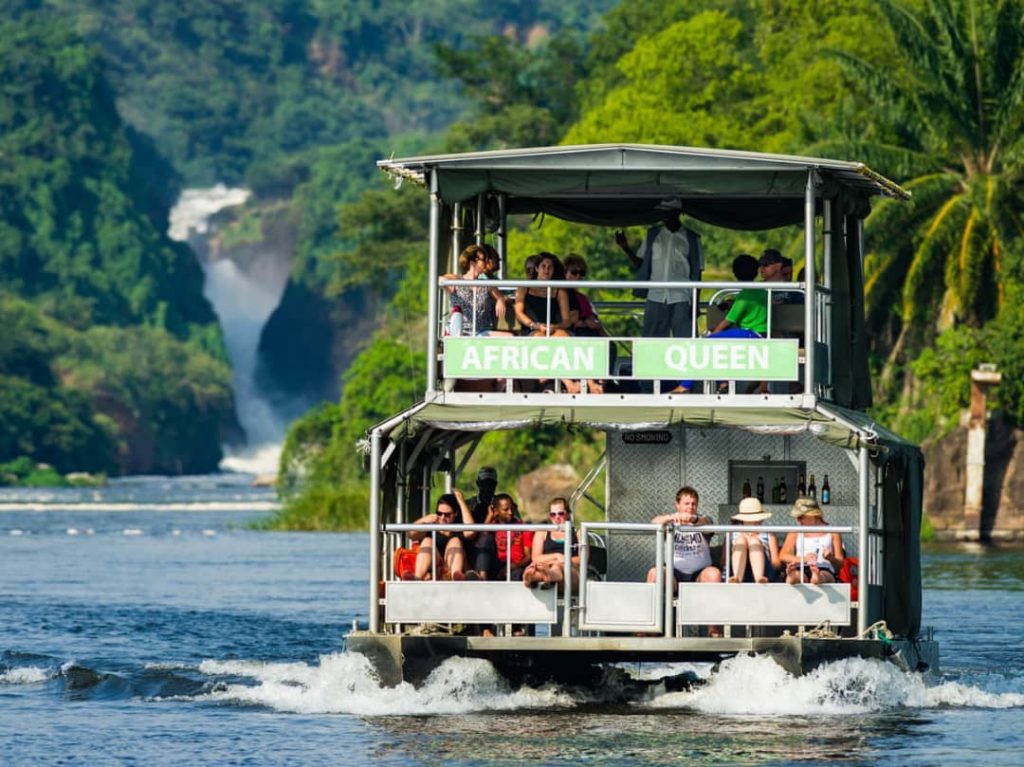
Northern Uganda is home to another spectacular destination: Murchison Falls National Park.
The park takes its name from the powerful waterfall where the Nile River squeezes through a narrow rocky gorge before plunging dramatically below.
Watching this tremendous force of nature is an unforgettable experience.
The surrounding park supports healthy populations of lions, elephants, giraffes, buffaloes, leopards, antelopes, and many other species.
Boat cruises on the Nile provide excellent opportunities to observe wildlife from a different perspective.
The combination of river scenery, wildlife, and waterfalls makes Murchison Falls one of Uganda’s most rewarding destinations.
Kibale and the world of chimpanzees
Uganda is famous for gorillas, but its chimpanzees are equally fascinating.
Kibale National Park contains one of Africa’s highest concentrations of primates. The forest is home to 13 different primate species, including habituated chimpanzee communities.
Tracking chimpanzees through the forest is a completely different experience from gorilla trekking.
Chimpanzees are energetic, noisy, and constantly moving. Their social interactions, vocalizations, and intelligence make them endlessly entertaining to watch.
For anyone interested in wildlife behaviour, Kibale offers one of Africa’s most memorable primate experiences.
Jinja and the Source of the Nile
Few rivers have captured human imagination like the Nile.
Near the city of Jinja, visitors can explore the area traditionally recognized as the source of the Nile River.
Jinja has become one of East Africa’s leading adventure destinations. Activities include white-water rafting, kayaking, boat cruises, fishing, bungee jumping, and quad biking.
The scenery along the river is beautiful, and the town provides a refreshing contrast to traditional safari destinations.
https://cirmaax.com/around-the-world-with-abdikarim-baarjeeh-djibouti/
Wildlife beyond the Gorillas
Uganda’s wildlife extends far beyond gorillas and chimpanzees.
The country’s parks support elephants, lions, leopards, buffaloes, giraffes, zebras, hippos, crocodiles, hyenas, antelopes, and hundreds of bird species.
Birdwatchers are particularly drawn to Uganda. More than 1,000 bird species have been recorded here, making it one of Africa’s premier birding destinations.
One of the most sought-after sightings is the prehistoric-looking shoebill stork, a bird that attracts enthusiasts from around the world.
Because visitor numbers remain lower than in many neighboring countries, wildlife encounters often feel more exclusive and less crowded.
Practical travel tips
- Pack lightweight clothing suitable for warm weather but include a waterproof jacket for forest trekking and occasional rain.
- Good hiking boots are essential for gorilla and chimpanzee trekking.
- Carry insect repellent and sunscreen.
- Book gorilla permits well in advance, particularly during peak travel seasons.
- Respect wildlife regulations and always follow instructions provided by park guides and rangers.
- Travel insurance is strongly recommended, especially for adventure activities and trekking.
My reflections
Uganda surprised me.
Before visiting, I expected excellent gorilla trekking and beautiful scenery. What I discovered was a country far richer and more diverse than I had imagined.
Uganda offers some of Africa’s most extraordinary wildlife experiences, yet it remains relatively uncrowded. The landscapes are stunning, the national parks are diverse, and the people are among the friendliest I have encountered anywhere on the continent.
The memory that stays with me most is not a lion, elephant, or waterfall. It is the moment of sitting quietly in a forest clearing while a family of mountain gorillas went about their daily lives only a few meters away.
Experiences like that change the way you see the natural world.
For travellers looking for a destination that combines adventure, wildlife, culture, and authenticity, Uganda is one of Africa’s greatest treasures.
It may not always receive the attention of its famous neighbours, but those who visit quickly discover why Uganda truly deserves its reputation as the Pearl of Africa.
https://cirmaax.com/around-the-world-with-abdikarim-baarjeeh-somaliland/