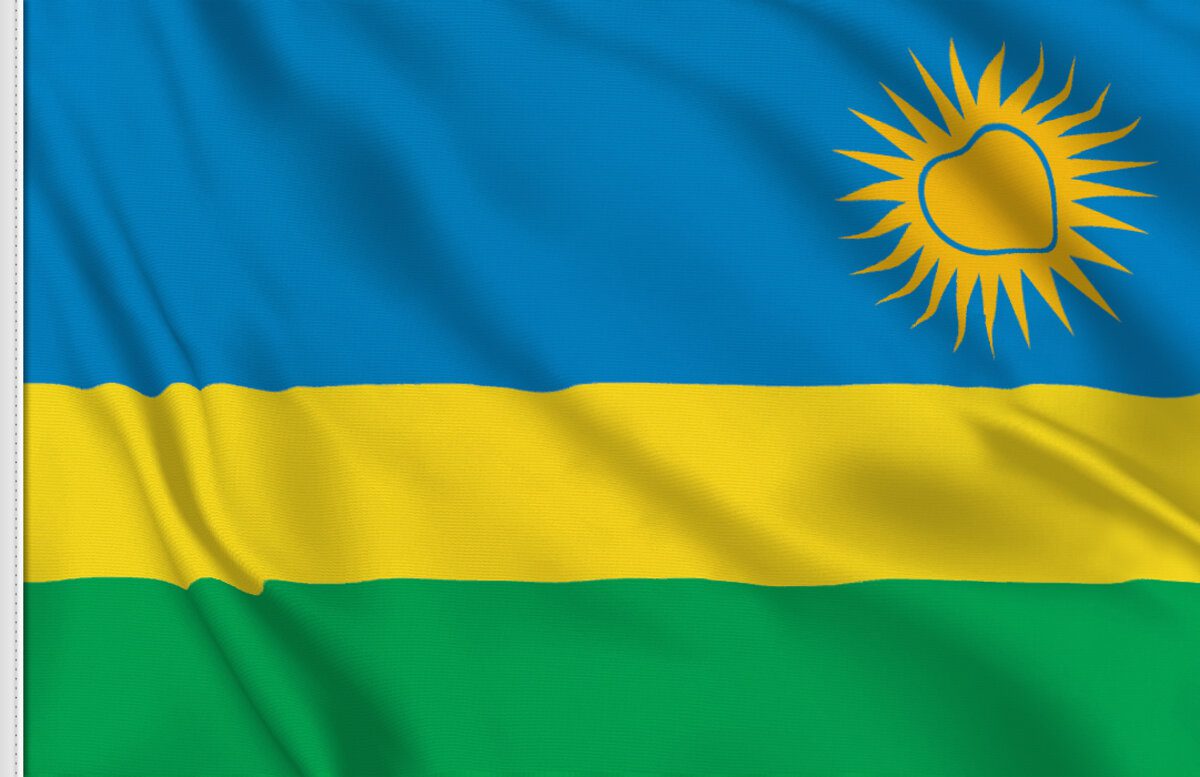
Few countries have transformed their image and reputation as dramatically as Rwanda. Once known mainly for the tragic events of the 1990s, Rwanda has emerged as one of Africa’s safest, cleanest, and most inspiring destinations. Today, travellers visit not only to see the country’s famous mountain gorillas but also to experience its breath-taking landscapes, welcoming people, and remarkable development story.
Known as the “Land of a Thousand Hills,” Rwanda is a country of rolling green mountains, mist-covered volcanoes, sparkling lakes, and dense rainforests. Unlike many African safari destinations dominated by vast plains, Rwanda’s beauty comes from its hills and mountains that stretch endlessly across the horizon.
Although Rwanda is one of Africa’s smallest countries, it offers an extraordinary range of experiences. You can track mountain gorillas through volcanic forests, search for chimpanzees in ancient rainforests, spot the Big Five in a recovering national park, explore vibrant cities, and learn powerful lessons from a nation that has rebuilt itself with determination and vision.
My visit to Rwanda was not only a journey through beautiful landscapes but also a lesson in resilience, unity, and progress.
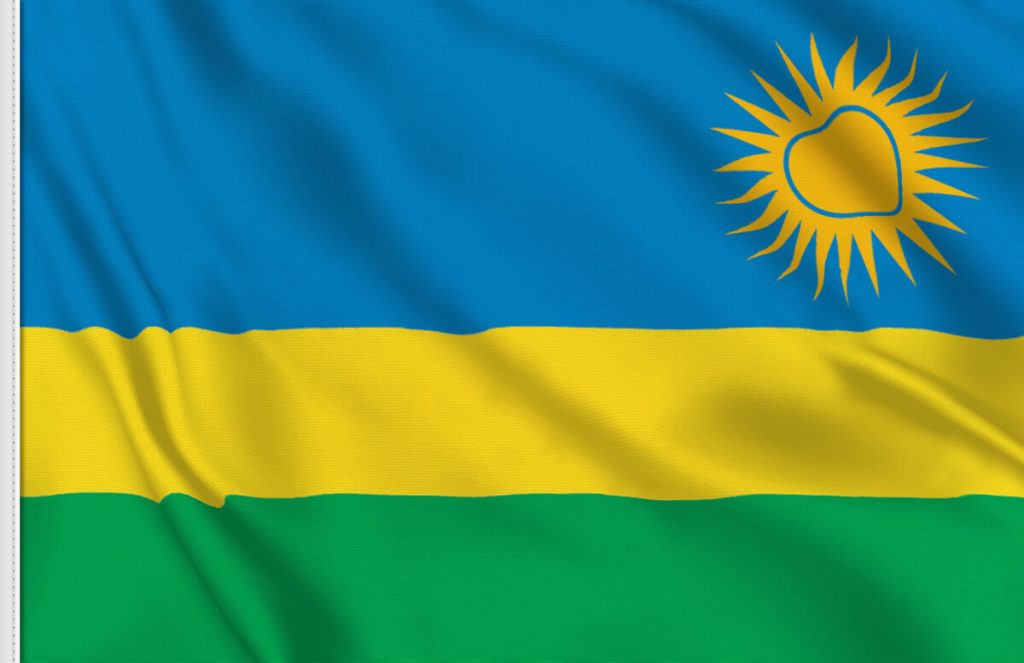
Getting to know Rwanda
- Rwanda is located in East-Central Africa and shares borders with Uganda, Tanzania, Burundi, and the Democratic Republic of Congo.
- Despite its small size, Rwanda is one of Africa’s most densely populated countries. Yet it remains remarkably clean, organized, and environmentally conscious.
- The capital city, Kigali, serves as the country’s political, economic, and cultural center. It is widely regarded as one of Africa’s cleanest and safest cities.
- The official languages are Kinyarwanda, English, French, and Swahili, making Rwanda one of Africa’s most multilingual nations.
- Agriculture remains important to the economy, but tourism has become one of the country’s leading industries, particularly gorilla tourism.
What makes Rwanda unique is how much it offers within a relatively small area. Visitors can travel between major attractions in just a few hours, making exploration convenient and efficient.
Best time to visit
Rwanda can be visited throughout the year thanks to its pleasant climate and moderate temperatures.
The best time for gorilla trekking and wildlife viewing is during the dry seasons, from June to September and from December to February.
During these months, forest trails are generally less muddy and easier to navigate.
The rainy seasons, from March to May and October to November, bring lush vegetation and beautiful scenery. Photographers often enjoy these periods because the landscapes become even greener.
Since much of Rwanda sits at higher elevations, temperatures remain comfortable year-round, unlike many hotter regions elsewhere in Africa.
How to get there
Most visitors arrive through Kigali International Airport, located just a short drive from the city center.
Rwanda is well connected to major African, Middle Eastern, and European cities through a growing network of international flights.
Travellers from Somaliland and Somalia can usually reach Kigali through connections in Nairobi, Addis Ababa, Doha, Dubai, or Istanbul.
Because Rwanda is relatively compact, travel times between attractions are shorter than in many neighbouring countries. This allows visitors to maximize their time exploring rather than spending long hours on the road.
My first impression
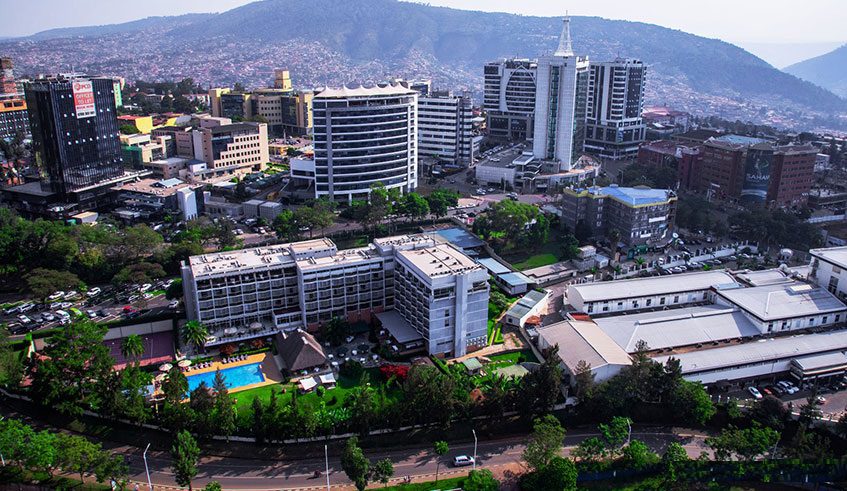
My first impression of Rwanda was how clean and organized everything appeared.
The roads were well maintained. Public spaces were spotless. Traffic was orderly. The cities looked modern and well planned.
As I travelled through the countryside, I was immediately struck by the endless green hills. Every direction seemed to reveal another layer of mountains covered with farms, forests, and villages.
The second thing that impressed me was the sense of security and stability. Visitors quickly notice the calm atmosphere and the pride that Rwandans take in their country.
Most importantly, I found the people warm, polite, and welcoming. Despite the difficult chapters in Rwanda’s history, the optimism and determination of its people are visible everywhere.
Kigali: Africa’s cleanest capital
Kigali is unlike many African capitals.
Instead of chaos and congestion, visitors find a city that feels modern, organized, and surprisingly relaxed. Built across a series of hills, Kigali offers beautiful views from almost every neighbourhood.
The city serves as Rwanda’s economic and cultural heart. Modern hotels, restaurants, shopping centers, conference facilities, and business districts coexist with local markets and traditional neighbourhoods.
One of the most important places to visit is the Kigali Genocide Memorial, which provides insight into one of the darkest periods in Rwanda’s history. The memorial tells a difficult but important story and helps visitors understand the country’s extraordinary journey toward reconciliation and recovery.
Beyond its historical significance, Kigali is simply an enjoyable city to explore. Cafes, art galleries, cultural centers, and vibrant neighbourhoods create a welcoming atmosphere for visitors.
Volcanoes national park and the Mountain Gorillas
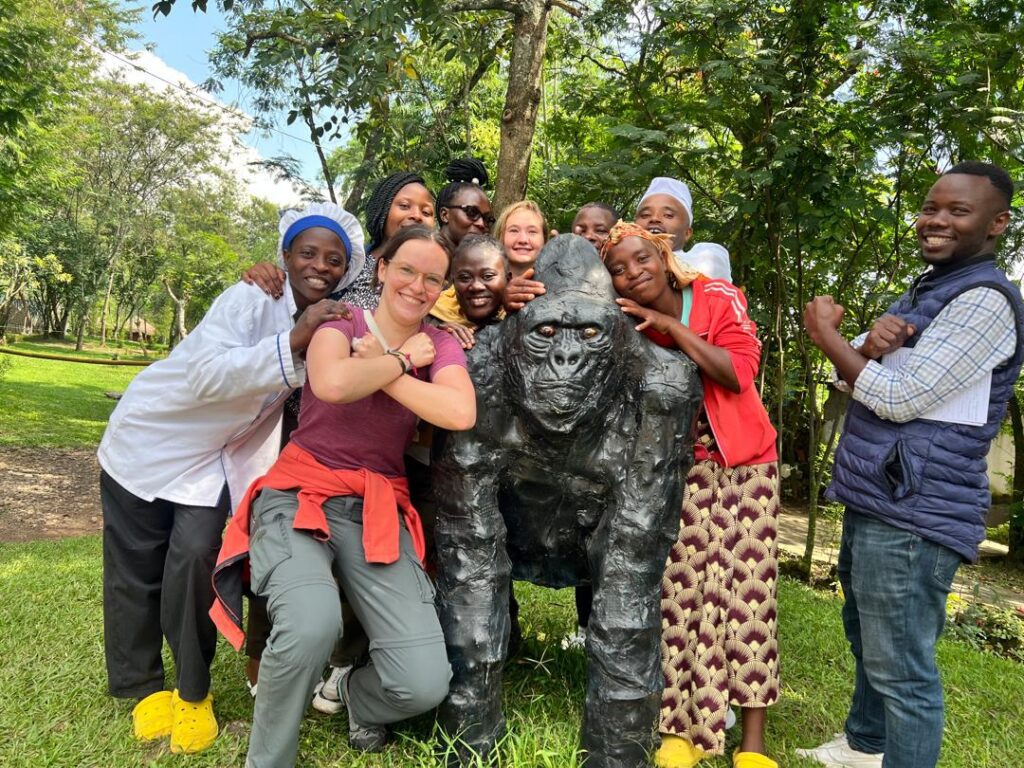
For many travellers, Rwanda means one thing above all else: mountain gorillas.
Volcanoes National Park, located in the country’s northwest, protects part of the Virunga Mountains, one of the last remaining habitats of the endangered eastern mountain gorilla.
The journey begins early in the morning. Small groups are assigned to specific gorilla families and accompanied by experienced guides and trackers.
The trek itself can range from relatively easy to physically demanding depending on the location of the gorillas that day. Hiking through dense vegetation, bamboo forests, and volcanic slopes adds to the sense of adventure.
Then comes the unforgettable moment.
The guides quietly signal that the gorillas are nearby. Suddenly, you find yourself standing face-to-face with a giant silverback or watching young gorillas playing among the vegetation.
The experience is impossible to forget.
The size, intelligence, and gentle nature of these animals create a powerful emotional connection. Observing a gorilla family at close range feels less like wildlife viewing and more like visiting distant relatives in their natural home.
Rwanda’s gorilla permits are among the most expensive wildlife permits in the world, but many travellers consider the experience worth every dollar.
Volcanoes National Park is also closely associated with the work of Dian Fossey, whose pioneering conservation efforts helped protect mountain gorillas from extinction.
Nyungwe forest: a hidden rainforest treasure
While gorillas receive most of the attention, Nyungwe National Park deserves equal admiration.
Located in south-western Rwanda, Nyungwe is one of Africa’s oldest and most biologically rich rainforests.
The park’s rolling green mountains, mist-covered valleys, and dense forests create some of the country’s most spectacular scenery.
Nyungwe is home to numerous primate species, including chimpanzees, colobus monkeys, and other forest-dwelling animals.
Chimpanzee trekking offers a completely different experience from gorilla trekking. Chimpanzees are energetic, vocal, and constantly moving through the trees, making each encounter exciting and unpredictable.
One of the park’s most popular attractions is its canopy walkway, which allows visitors to walk high above the forest floor while enjoying stunning views of the rainforest below.
For nature lovers and photographers, Nyungwe is one of Rwanda’s greatest treasures.
Akagera national park: a conservation success story
Rwanda may not be famous for traditional safaris, but Akagera National Park is changing that perception.
Located in eastern Rwanda near the Tanzanian border, Akagera is one of Africa’s most inspiring conservation success stories.
Years ago, poaching and human encroachment severely damaged wildlife populations. Today, thanks to strong conservation efforts, the park has experienced a remarkable recovery.
The reintroduction of lions and rhinos restored the Big Five, making Akagera a complete safari destination once again.
The scenery here differs greatly from Rwanda’s mountainous regions. Open grasslands, lakes, wetlands, woodlands, and rolling hills provide diverse habitats for wildlife.
Visitors can see elephants, buffaloes, giraffes, zebras, antelopes, lions, leopards, and rhinos.
Boat safaris on Lake Ihema offer excellent opportunities to observe hippos, crocodiles, and abundant birdlife.
Akagera demonstrates what is possible when conservation, tourism, and community involvement work together.
Lake Kivu: Rwanda’s relaxing escape
After trekking through forests and exploring national parks, many travellers head to Lake Kivu for relaxation.
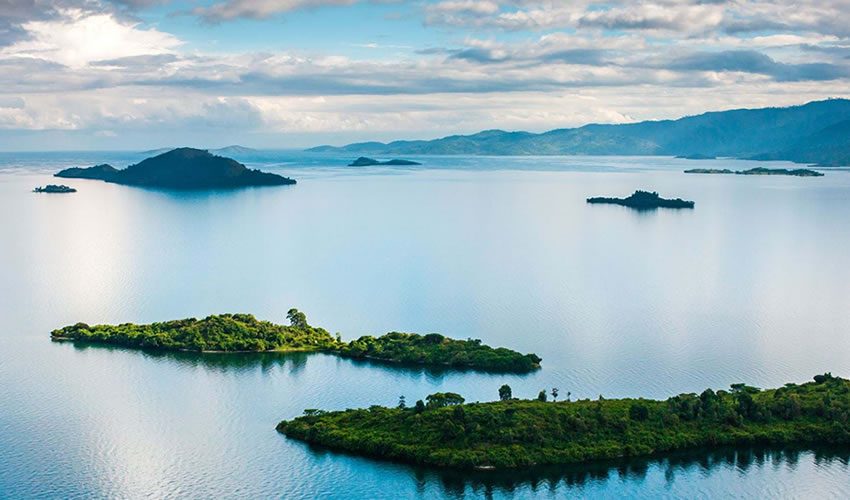
Located along Rwanda’s western border, Lake Kivu is one of Africa’s Great Lakes and among the continent’s most scenic freshwater destinations.
The lakeside towns of Gisenyi, Kibuye, and Cyangugu provide peaceful settings with beautiful views of mountains and islands.
Visitors can enjoy boat trips, swimming, kayaking, cycling, and simply relaxing by the water.
The lake offers a completely different side of Rwanda and provides an ideal balance to more active adventures elsewhere in the country.
https://cirmaax.com/around-the-world-with-abdikarim-baarjeeh-ethiopia/
Wildlife beyond the Gorillas
Although mountain gorillas are Rwanda’s most famous attraction, the country’s wildlife extends far beyond them.
Chimpanzees, golden monkeys, elephants, lions, rhinos, buffaloes, leopards, giraffes, hippos, crocodiles, zebras, and numerous antelope species can all be found within Rwanda’s protected areas.
Birdwatchers are particularly rewarded. Hundreds of bird species inhabit Rwanda’s forests, wetlands, lakes, and savannahs.
Because the country is relatively small and tourism is carefully managed, wildlife experiences often feel personal and exclusive.
Practical travel tips
- Pack comfortable hiking boots for gorilla and chimpanzee trekking.
- Bring waterproof clothing because rain can occur at any time, especially in mountainous regions.
- Book gorilla permits several months in advance, as availability is limited and demand is high.
- Carry a light jacket for cooler mornings and evenings in the highlands.
- Respect conservation rules and always follow instructions from guides and park rangers.
- Photography is encouraged, but flash photography is not allowed near gorillas.
- Travel insurance is highly recommended, especially for trekking activities.
My reflections
Rwanda surprised me in many ways.
Before visiting, I expected beautiful mountains and unforgettable gorilla encounters. What I discovered was a country that offers much more than wildlife tourism.
Rwanda is a nation that has transformed itself through vision, discipline, and determination. The cleanliness, organization, safety, and optimism found throughout the country are remarkable.
The mountain gorillas were undoubtedly a highlight. Sitting quietly in a forest while a gorilla family moved around me was one of the most extraordinary wildlife experiences of my life.
Yet Rwanda’s greatest strength may be the balance it offers. Visitors can experience wildlife, culture, history, adventure, conservation, and natural beauty within a single journey.
Few destinations combine so much in such a compact and accessible package.
For travellers seeking an African destination that is safe, beautiful, inspiring, and unique, Rwanda deserves a place near the top of the list.
It may be small in size, but Rwanda leaves a very large impression on everyone fortunate enough to visit.
https://cirmaax.com/around-the-world-with-abdikarim-baarjeeh-somaliland/