Ethiopia is one of Africa’s most fascinating countries, and traveling there felt like stepping into a land where history, culture, and natural beauty come together in unforgettable ways. The country has an ancient past that stretches back millions of years, a cultural richness that is still thriving today, and landscapes that range from fertile highlands to desert plains.
During my journey, I explored Addis Ababa, Dire Dawa, Harar and Jigjiga, each offering a different perspective on the country. Addis Ababa is a bustling metropolis with museums, Mosques, cathedrals, and lively cafés; Dire Dawa stands as a crossroads of cultures with its historical railway and diverse neighbourhoods; Jigjiga, in the Somali region, introduces visitors to a unique cultural identity that feels both proudly Ethiopian and distinctly Somali.
From sacred mosques and churches to bustling markets, from traditional coffee ceremonies to modern city life, Ethiopia struck me as a country of contrasts and harmony – a place that makes you reflect on both the past and the present.
Table of Contents
Ethiopia at a glance
Before diving into my experiences, let’s look at some useful background information for travellers:
- Capital: Addis Ababa
- Main Cities: Dire Dawa, Mekelle, Gondar, Bahir Dar, Harar, Jigjiga
- Population: Over 120 million (second-most populous country in Africa)
- Religion: Ethiopian Orthodox Christianity is the largest faith, followed by Islam and Protestantism. Religious traditions play a big role in daily life.
- Languages: Amharic is the official working language, but Ethiopia has over 80 languages, including Oromo, Somali, and Tigrinya.
- Currency: Ethiopian Birr (ETB)
- Geography: Landlocked country bordered by Eritrea, Djibouti, Somalia, Kenya, South Sudan, and Sudan. Known for the Ethiopian Highlands, the Great Rift Valley, and the Danakil Depression.
- Climate: Varies by region. Highlands are cooler, while lowlands and deserts are very hot. Best time to visit is October to March.
Addis Ababa – the heart of Ethiopia
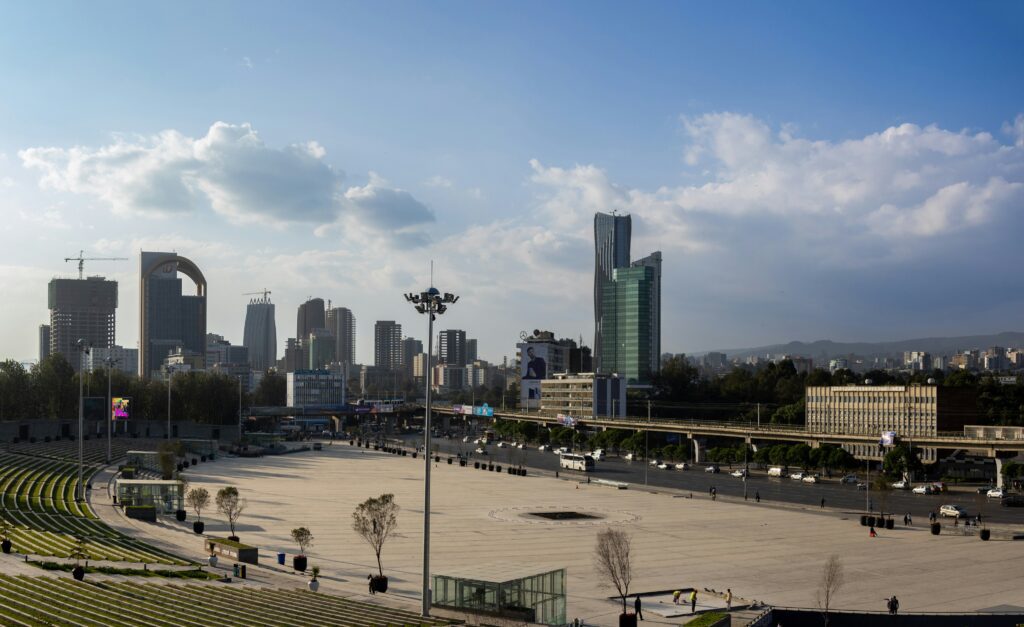
My journey began in Addis Ababa, the capital and cultural heartbeat of Ethiopia. At over 2,300 meters above sea level, it is one of the highest capitals in the world, which gives it a cool and refreshing climate compared to other African cities.
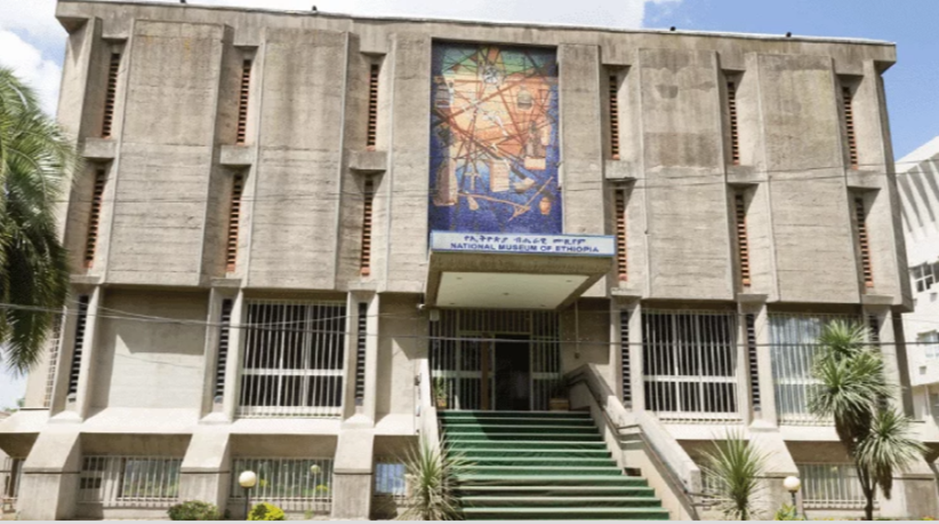
The first stop was the National Museum of Ethiopia, home to one of the most famous residents in the world: Lucy, the 3.2-million-year-old fossil that provides a glimpse into our earliest human ancestors. Standing before her, I felt humbled by the deep history that Ethiopia represents – not just for the country but for humanity itself.
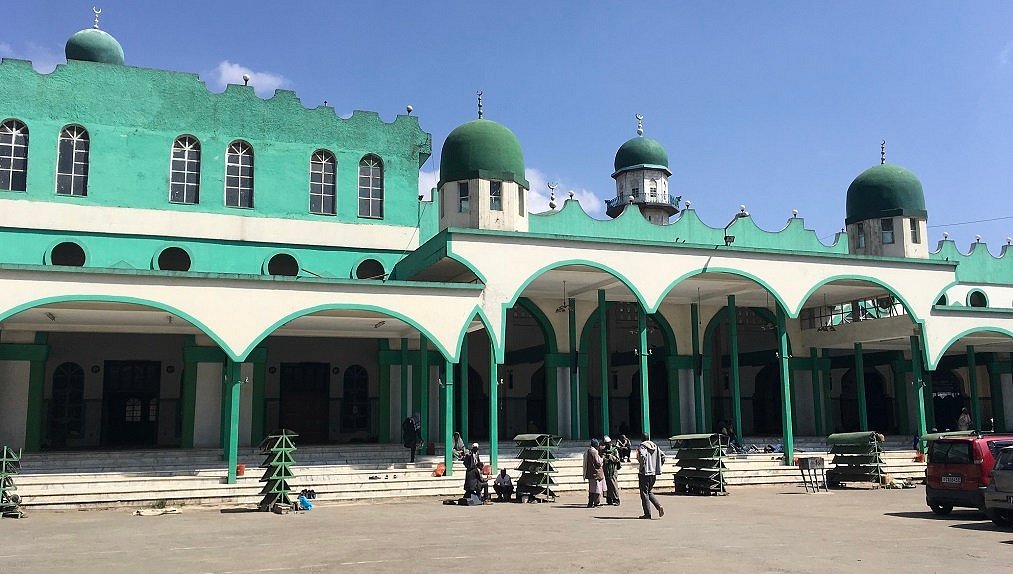
From history, I moved to spirituality. I visited the biggest and one of the oldest mosques in Addis Ababa, Ethiopia, the Grand Anwar Mosque. Located in the Merkato area within the Arada district, it is a key spiritual and cultural hub for the city’s Muslim community.
In Addis Ababa, you will find also the Holy Trinity Cathedral, one of Addis Ababa’s most iconic landmarks and one of the oldest Christian traditions in the world.
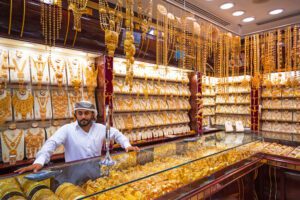
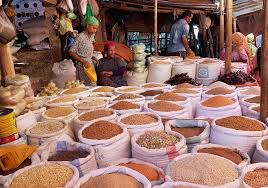
To truly feel the city’s pulse, I ventured into Merkato, one of Africa’s largest open-air markets. The chaos was overwhelming at first: narrow lanes packed with stalls selling spices, textiles, pottery, and traditional clothing. The air was thick with the aroma of roasted coffee, while the sounds of bargaining and laughter echoed all around. If Addis is the heart of Ethiopia, Merkato is its beating rhythm.
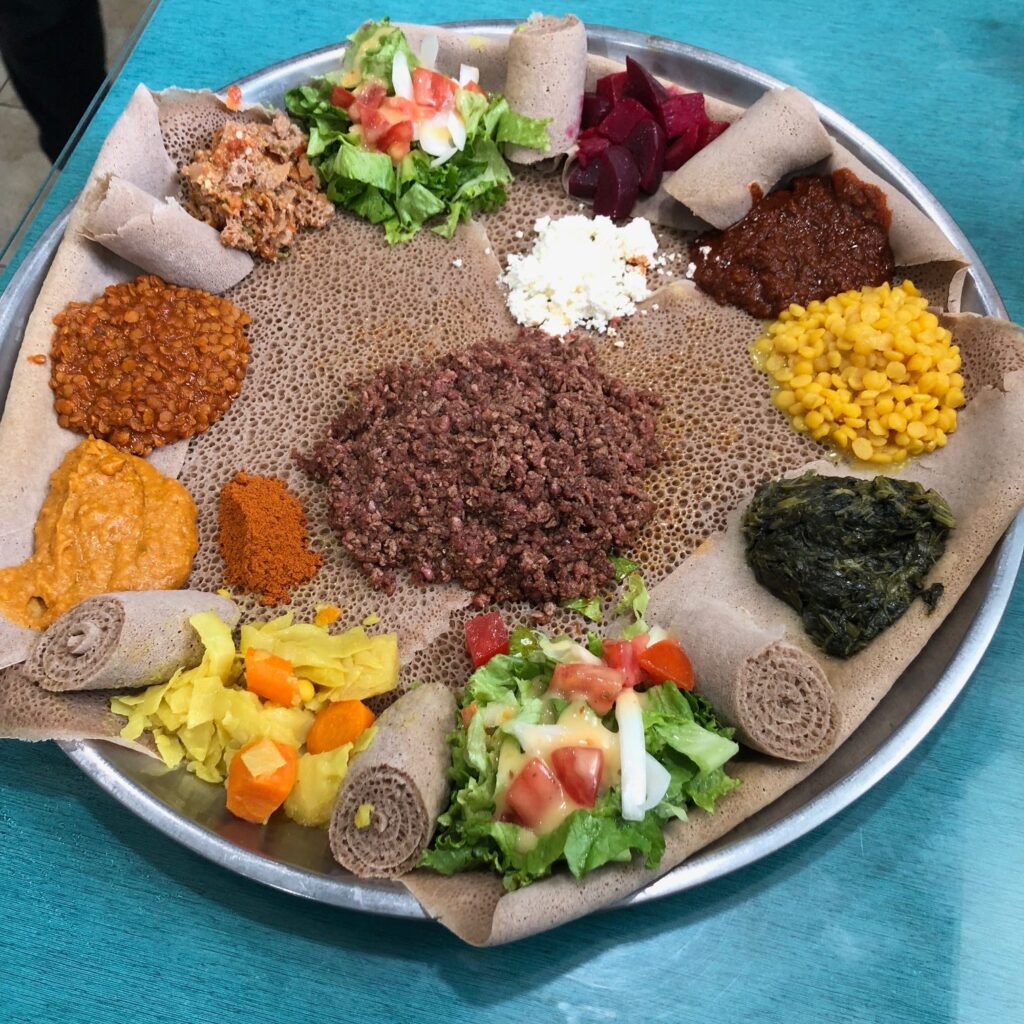
Of course, Ethiopia is world-famous for its coffee, and Addis Ababa is the perfect place to enjoy a traditional coffee ceremony. Watching beans being roasted, ground, and brewed in front of me before being served in small cups was more than just a drink—it was a cultural ritual of hospitality, conversation, and community. Alongside, I sampled classic Ethiopian dishes such as injera (the spongy flatbread), doro wat (spicy chicken stew), and shiro (a flavourful chickpea dish). Every meal was an adventure in taste.
Dire Dawa – cultural crossroads
Leaving Addis behind, I travelled east to Dire Dawa, a city that felt different yet equally captivating. It is one of Ethiopia’s largest cities and has long served as a cultural and commercial hub due to its location on the historic Ethio-Djibouti railway.
The Dire Dawa Railway Station, though quieter now, still stands as a reminder of the city’s role in connecting Ethiopia to the outside world. Walking through the station, I imagined the days when merchants, travellers, and traders passed through, bringing with them goods, ideas, and stories.
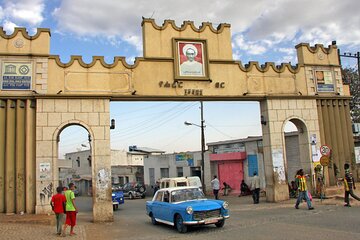
Dire Dawa’s markets were another highlight. Smaller than Merkato but still lively, they offered a more intimate look at daily life. Stalls displayed spices, woven baskets, and traditional handicrafts, while local vendors shared stories of their goods. Notable markets in Dire Dawa includes: Kafira Market, the largest and most prominent market in Dire Dawa, as well as Ashwa the livestock market, where traders from surrounding rural areas and regions like Afar and Somali sell and trade animals, and Taiwan Market which is specialises in electronic and other imported goods.
I loved the diversity of people here – Somali, Oromo, Amhara, and Harari communities all living side by side, each contributing to the city’s mosaic of traditions.
The city’s architecture also reflected this mix. Some neighbourhoods had French-influenced villas and wide boulevards, while others displayed traditional Ethiopian homes. The surrounding landscape of rocky hills added a natural charm to the city, making Dire Dawa feel both historic and scenic.
Harar – a city of history and heritage
Not far from Dire Dawa lies Harar, one of the most extraordinary places I visited in Ethiopia. Harar is a UNESCO World Heritage Site with over 80 mosques and hundreds of shrines packed within its old city walls.
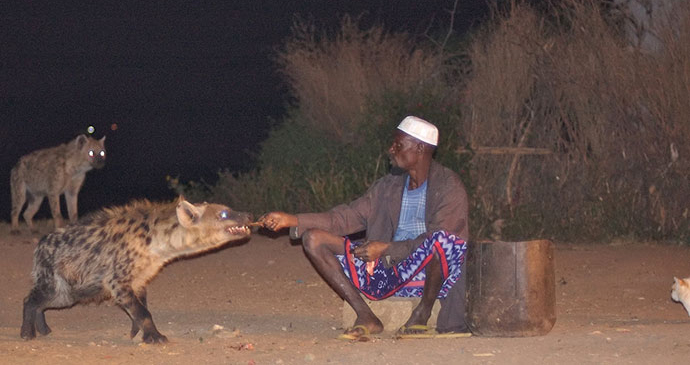
Wandering through Harar’s narrow alleyways was like stepping back in time. Brightly painted houses, bustling markets, and centuries-old mosques created an atmosphere of deep spirituality and living tradition. The city is also famous for its hyena feeding tradition. At night, locals call out wild hyenas that have roamed the area for generations, offering them food by hand. Watching this practice felt surreal – a mix of danger, trust, and ancient custom.
Harar also gave me the chance to experience the unique flavours of Harari cuisine, with spicy meat dishes and strong coffee served with a touch of tradition. The city’s relaxed pace made it an ideal place to slow down and absorb Ethiopia’s cultural depth.
https://www.africanhistoryextra.com/p/a-complete-history-of-harar-the-city
Jigjiga – gateway to Somali Ethiopia
My final stop was Jigjiga, the capital of Ethiopia’s Somali region. The city welcomed me with a warm, open atmosphere that immediately felt different from the rest of the country. Here, Somali culture takes centre stage – visible in the language, dress, food, and hospitality.
In Jigjiga markets were full of colourful fabrics, traditional jewellery, and everyday goods. I spent hours walking through stalls, speaking with vendors, and learning about local traditions. Somali cuisine was another highlight: Somali anjero (a type of pancake-like bread), spiced camel meat, and rich stews were both delicious and hearty.
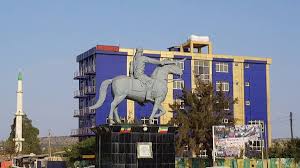
Beyond the city, the surrounding landscapes opened up into wide grasslands where pastoral life continues much as it has for centuries. Camels, goats, and cattle grazed under the open sky, herded by Somali nomads whose resilience and traditions have stood the test of time.
Jigjiga gave me insight into Ethiopia’s multicultural identity. While Addis reflected Ethiopia’s national story and Dire Dawa highlighted diversity, Jigjiga showed me how regional cultures thrive while still contributing to the larger Ethiopian narrative.
Festivals and cultural life
Ethiopia has a vibrant calendar of festivals that reveal its religious and cultural depth.
- Timket (Epiphany) in January is one of the most colorful celebrations, with processions, chanting, and rituals reenacting the baptism of Christ.
- Meskel (Finding of the True Cross) in September brings people together for massive bonfires, symbolizing the discovery of the cross by Queen Helena.
Coffee ceremonies are not just daily rituals but also cultural celebrations, marking hospitality and friendship. Attending any of these events gives travellers a chance to experience Ethiopian life at its most vibrant and authentic.
In the Somali region, Islamic festivals such as Eid al-Fitr and Eid al-Adha are celebrated with joy, communal prayers, and feasts.
https://cirmaax.com/around-the-world-with-abdikarim-baarjeeh-somaliland/
Practical traveller’s tips for Ethiopia
Best Time to Visit: October to March offers cooler, dry weather – ideal for sightseeing. Avoid the heavy rainy season (June – September).
Getting there: Addis Ababa Bole International Airport is the main gateway, with connections across Africa, the Middle East, Europe, and beyond.
Ethiopian Airlines is the national carrier of Ethiopia with connection to the rest of the world
Transport within the Country: Ethiopia is vast – domestic flights with Ethiopian Airlines are convenient for long distances. In cities, taxis, Bajaj (three-wheelers), and minibuses are common.
Currency: Ethiopian Birr (ETB). Cash is widely used, though ATMs are available in major cities.
Cultural Etiquette: Modest clothing is advised, especially in religious sites. Greetings are usually with a handshake, and sharing meals is common – often several people eat from the same large injera platter.
Safety: Ethiopia is generally safe for travelers, but always check local conditions, especially in border areas.
Stay Duration: A week allows you to experience Addis, Dire Dawa, Harar, and Jigjiga comfortably. For deeper exploration of the north (Lalibela, Gondar, Axum) or south (Omo Valley), two weeks or more is ideal.
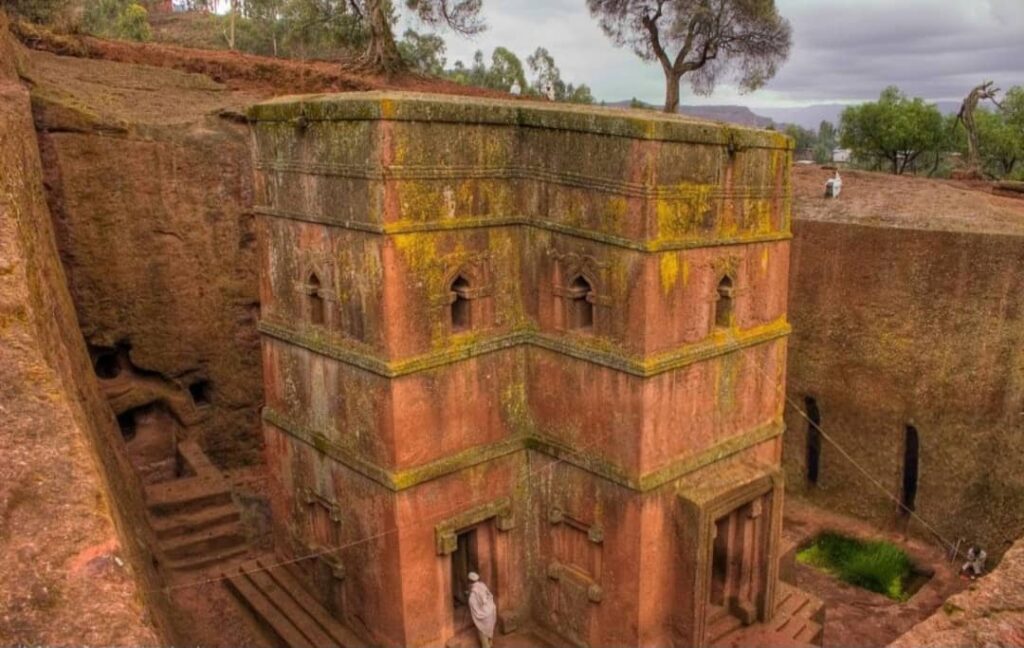
Personal Reflections on Ethiopia
Ethiopia left me with memories that I will cherish forever. What struck me most was the diversity – not only in landscapes and cities but also in people and traditions. Addis Ababa showed me Ethiopia’s national pride and deep history, Dire Dawa introduced me to cultural intersections, Harar transported me into centuries-old Islamic traditions, and Jigjiga revealed the richness of Somali Ethiopia.
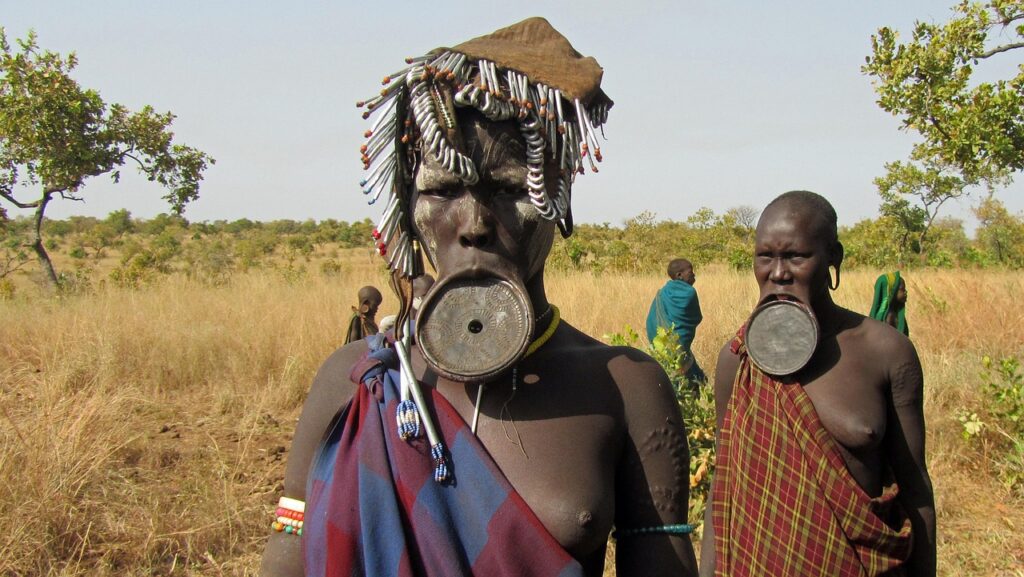
Everywhere I went, I was welcomed with warmth. Whether sipping coffee in Addis, bargaining in Dire Dawa, or sharing stories in Jigjiga, I felt a strong sense of connection with the people. Ethiopia is not just a country you visit – it is a country you experience with all your senses.
For me, Ethiopia was a journey into the soul of Africa: ancient, diverse, and alive with stories waiting to be discovered.
https://cirmaax.com/around-the-world-with-abdikarim-baarjeeh-djibouti/