
Few countries have shaped Africa’s tourism industry as much as Kenya. For decades, the very word “safari” has been associated with Kenya’s endless grasslands, spectacular wildlife, and unforgettable landscapes. For many travellers around the world, Kenya represents the Africa they have always dreamed about – vast savannahs dotted with acacia trees, herds of elephants roaming beneath snow – capped mountains, lions resting in golden grass, and colourful cultures that have preserved traditions for generations.
Kenya is often described as the birthplace of the modern safari, and after visiting the country several times, it is easy to understand why. Kenya combines world – class wildlife, beautiful beaches, vibrant cities, rich cultural heritage, and excellent tourism infrastructure. It is one of Africa’s most complete travel destinations.
What makes Kenya special is not only its wildlife but also its diversity. In a single trip, visitors can experience bustling cities, mountain landscapes, tropical beaches, deserts, forests, lakes, and some of the finest wildlife reserves on Earth.
Whether you are a first-time visitor to Africa or a seasoned traveller, Kenya offers experiences that remain with you long after the journey ends.
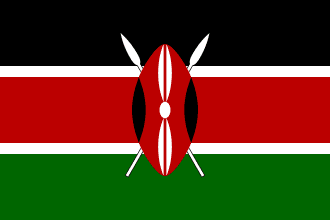
Getting to know Kenya
- Kenya is located in East Africa and borders Somalia, Ethiopia, South Sudan, Uganda, Tanzania, and the Indian Ocean.
- The country has a population of more than 55 million people and is one of Africa’s leading economic and tourism hubs.
- The capital city, Nairobi, serves as the country’s political, financial, and transportation center. Kenya is also home to dozens of ethnic communities, each contributing to the country’s rich cultural identity.
- English and Swahili are the official languages, making communication relatively easy for international visitors.
- Kenya’s geography is remarkably diverse. The country includes coastal beaches, highland plateaus, fertile agricultural regions, mountain ranges, deserts, lakes, forests, and vast savannahs.
This diversity creates an extraordinary range of wildlife habitats and travel experiences.
Best time to visit
Kenya is a year – round destination, but the best time depends on what you want to see.
For safaris, the dry seasons from June to October and January to February are generally considered the best periods. During these months, animals gather around water sources, making wildlife easier to spot.
The famous Great Migration usually reaches the Maasai Mara between July and October. This is one of the most spectacular wildlife events on the planet and attracts visitors from around the world.
The rainy seasons, particularly from March to May, bring lush landscapes and fewer tourists. While some roads may become difficult to access, photography opportunities are often excellent.
Beach destinations along the Kenyan coast can be enjoyed throughout most of the year.
How to get there
Kenya is one of Africa’s most accessible destinations.
Most international travellers arrive through Jomo Kenyatta International Airport in Nairobi, one of Africa’s busiest aviation hubs.
Kenya also has international airports in Mombasa, Kisumu, and other regional destinations.
Travellers from Africa can easily reach Kenya through direct flights to Nairobi or connecting services from major regional cities.
Kenya’s extensive domestic airline network also makes it easy to travel between national parks, coastal destinations, and major cities.
The country’s tourism infrastructure is among the best developed in Africa.
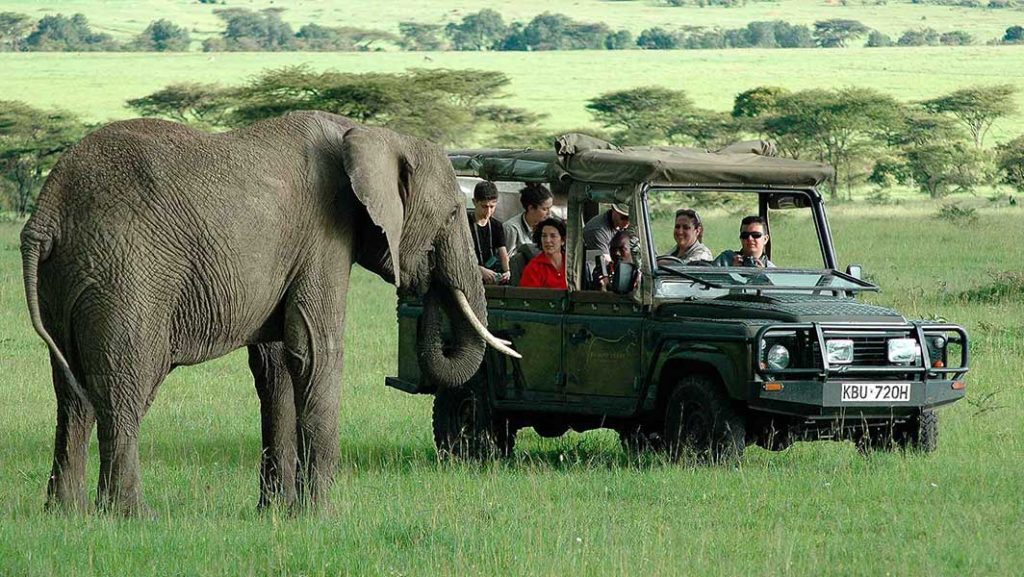
My first impression
My first impression of Kenya was the energy.
Nairobi felt dynamic and ambitious. The roads were busy, businesses were active, and there was a sense that the country was constantly moving forward.
As I travelled beyond the city, another impression quickly emerged: space.
Kenya feels vast. The landscapes stretch endlessly toward the horizon. Open plains, rolling hills, and distant mountains create a sense of freedom that is difficult to find elsewhere.
I was also impressed by the warmth of the Kenyan people. Whether speaking with guides, hotel staff, drivers, or local residents, I found people friendly, professional, and proud of their country.
The combination of natural beauty, cultural diversity, and hospitality immediately made me feel welcome.
Nairobi: the safari capital of Africa
Nairobi is unlike any other city in the world.
It is one of the few capitals where you can have breakfast in a modern business district and spend the afternoon watching lions, giraffes, and rhinos in a national park.
The city serves as East Africa’s leading commercial and aviation hub. Modern hotels, restaurants, shopping centers, museums, and conference facilities make it a major gateway for tourism and business.
One of Nairobi’s most unique attractions is Nairobi National Park, located just outside the city center. Seeing wild animals roaming against a backdrop of skyscrapers is a truly surreal experience.
Visitors can also explore the famous giraffe sanctuary, museums, cultural centers, and local markets.
Nairobi offers an exciting introduction to Kenya before heading into the country’s wilderness.

Maasai Mara: Africa’s greatest wildlife show
If there is one place that defines Kenya’s safari reputation, it is the Maasai Mara.
The landscape here is exactly what many people imagine when they think of Africa. Endless grasslands stretch to the horizon. Acacia trees stand-alone against dramatic skies. Rivers wind through the savannah, attracting wildlife from across the region.
Then there is the wildlife.
The Maasai Mara is home to the Big Five: lion, leopard, elephant, buffalo, and rhinoceros. Lions are particularly abundant, and sightings are frequent throughout the reserve.
The park becomes even more spectacular during the Great Migration, when millions of wildebeest, zebras, and gazelles move between Tanzania’s Serengeti and Kenya’s Maasai Mara in search of fresh grazing.
Watching thousands of animals cross crocodile-filled rivers is one of nature’s greatest spectacles.
The reserve can become crowded during peak season, but nearby community conservancies offer more exclusive experiences while supporting local conservation efforts and Maasai communities.
Amboseli and the magnificent Kilimanjaro view
Few safari images are as iconic as an elephant walking across the plains with Mount Kilimanjaro rising in the background.
Although Kilimanjaro is located in Tanzania, some of the best views of Africa’s highest mountain are found from Kenya’s Amboseli National Park.
Amboseli is famous for its large elephant populations, including some of Africa’s most impressive tuskers.
The park’s open landscapes make wildlife viewing relatively easy, while the mountain backdrop creates outstanding photography opportunities.
Watching elephants move through the marshes beneath the snow-capped peak of Kilimanjaro is a sight that perfectly captures the magic of East Africa.
The wild beauty of Tsavo
Kenya’s largest protected wilderness is divided into two major parks: Tsavo East and Tsavo West.
Together, they form one of Africa’s largest wildlife conservation areas.
Tsavo is famous for its vast landscapes, red soil, and large elephant herds. Many of the elephants appear reddish because they dust themselves with the park’s distinctive red earth.
Unlike some smaller reserves, Tsavo feels wild and untamed. Distances are immense, and visitors gain a real sense of Africa’s scale.
Tsavo West also contains beautiful volcanic landscapes, natural springs, and an important sanctuary for endangered black rhinos.
For travellers seeking a more remote safari experience, Tsavo is an excellent choice.
The great rift valley
One of Kenya’s most fascinating natural features is the Great Rift Valley, which cuts through the country from north to south.
The valley contains a chain of beautiful lakes, each offering unique wildlife experiences.
Lake Nakuru is particularly famous for its rhino populations and birdlife. Depending on seasonal conditions, thousands of flamingos gather around the lake, creating spectacular pink landscapes.
Lake Bogoria is another excellent location for observing flamingos and geothermal features such as hot springs and geysers.
Nearby Lake Naivasha offers boat trips where visitors can see hippos and a variety of bird species.
The Rift Valley provides a completely different safari experience compared to the open savannahs of the Maasai Mara.
Hell’s gate and Mount Longonot
One of Kenya’s most unusual parks is Hell’s Gate National Park.
Unlike most wildlife areas, visitors can walk, cycle, hike, and explore the park on foot.
The dramatic cliffs, gorges, volcanic formations, and geothermal activity create landscapes unlike anywhere else in the country.
Nearby Mount Longonot offers one of Kenya’s most rewarding hikes. Reaching the crater rim provides spectacular views across the Rift Valley.
For travellers who enjoy active adventures, these destinations offer a welcome change from traditional game drives.
Northern Kenya: the last frontier
Northern Kenya feels like a different world.
As the green landscapes of central Kenya give way to arid plains and desert environments, travellers enter one of East Africa’s most remote and fascinating regions.
This area is home to diverse nomadic communities that have adapted to some of the continent’s harshest environments.
Lake Turkana, often called the Jade Sea because of its color, is one of Africa’s most extraordinary lakes and one of Kenya’s least-visited attractions.
Closer to the main tourism routes, the reserves of Samburu, Buffalo Springs, and Shaba offer exceptional wildlife viewing.
These parks are famous for species rarely found elsewhere, including Grevy’s zebra, reticulated giraffe, Somali ostrich, and gerenuk.
The landscapes are rugged, dramatic, and unforgettable.
Kenya’s Indian Ocean coast
While Kenya is famous for safaris, many visitors are surprised by the quality of its beaches.
The coastline along the Indian Ocean features white sand beaches, turquoise waters, coral reefs, and historic coastal towns.
Destinations such as Diani Beach, Watamu, Malindi, and Lamu provide opportunities for relaxation, diving, snorkelling, fishing, and cultural exploration.
The coast reflects centuries of African, Arab, Persian, and European influences, creating a unique cultural atmosphere unlike anywhere else in the country.
https://cirmaax.com/around-the-world-with-abdikarim-baarjeeh-djibouti/
Wildlife
Kenya remains one of the best wildlife destinations in the world.
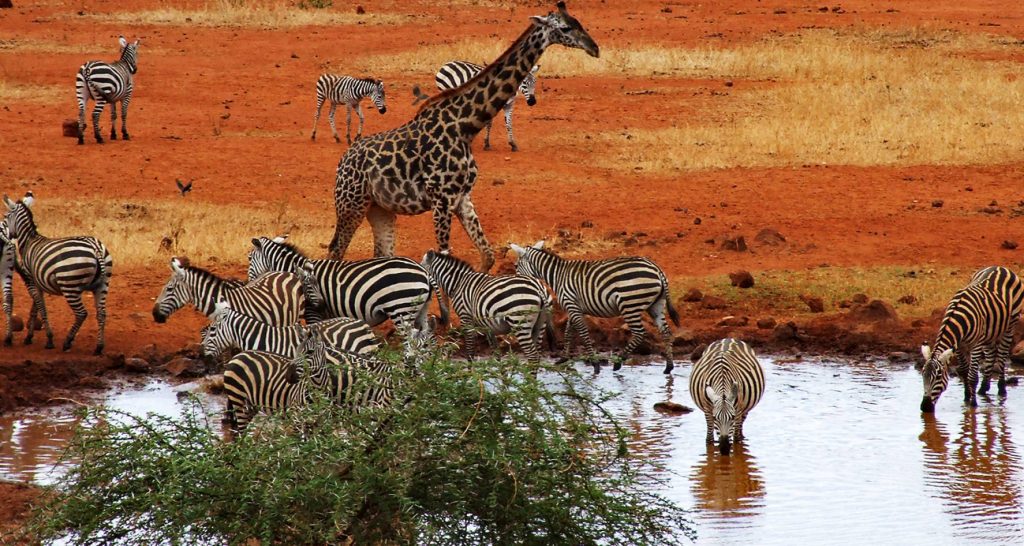
The country supports healthy populations of lions, elephants, leopards, buffaloes, rhinoceroses, giraffes, zebras, cheetahs, hyenas, hippos, crocodiles, antelopes, and hundreds of bird species.
The Big Five can be seen in several parks, while marine life flourishes along the coast.
Kenya’s extensive network of community conservancies has also become a global model for conservation, helping protect wildlife while providing economic benefits to local communities.
For photographers, birdwatchers, conservation enthusiasts, and safari lovers, Kenya offers endless opportunities.
Practical travel tips
Pack lightweight clothing for warm days and a light jacket for cool mornings and evenings.
Bring binoculars and a camera with a good zoom lens for wildlife viewing.
Book accommodations early during migration season, as demand can be extremely high.
Carry sunscreen, insect repellent, and a reusable water bottle.
Respect local customs and wildlife regulations.
Domestic flights can save significant travel time when visiting multiple regions.
Travel insurance is strongly recommended.
My reflections
Kenya remains one of Africa’s greatest travel destinations.
What makes Kenya special is not just the abundance of wildlife but the variety of experiences available within one country. Few destinations offer such a rich combination of safaris, culture, landscapes, beaches, adventure, and history.
The image that remains strongest in my memory is watching elephants in Amboseli with Mount Kilimanjaro towering in the distance. It perfectly captures the beauty and grandeur of East Africa.
I was equally impressed by Kenya’s conservation efforts, vibrant cities, welcoming people, and tourism professionalism.
For first-time visitors to Africa, Kenya provides an outstanding introduction to the continent. For experienced travellers, it continues to offer new discoveries with every visit.
If you dream of classic African safaris, incredible wildlife, stunning scenery, and unforgettable adventures, Kenya deserves a place at the very top of your travel list.
It is, and will always remain, one of the true homes of the African safari.
https://cirmaax.com/around-the-world-with-abdikarim-baarjeeh-somaliland/