
Bulgaria may not always appear at the top of European travel lists, yet for those who make the journey, it offers a rich blend of history, culture, and natural beauty that feels both authentic and refreshing. Nestled in Southeast Europe, Bulgaria is bordered by Romania, Serbia, North Macedonia, Greece, Turkey, and the Black Sea. Its location has made it a crossroads of civilizations, and this is reflected in its layers of Thracian tombs, Roman theatres, Byzantine churches, Ottoman mosques, and modern European squares.
On my journey, I explored three very different yet equally captivating destinations: Plovdiv, one of Europe’s oldest cities; Sofia, the capital and cultural heart; and Burgas, a coastal gem along the Black Sea. Together, these cities painted a portrait of a country where ancient history meets modern creativity, and where seaside relaxation balances urban energy.
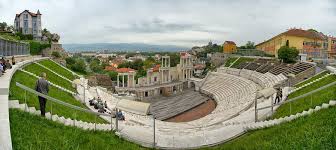
Table of Contents
Practical Information for Travellers
- Capital: Sofia
- Main Cities: Plovdiv, Varna, Burgas,
- Currency: Bulgarian Lev (BGN). While euros may be accepted in tourist areas, it’s better to use local currency.
- Religion: Predominantly Eastern Orthodox Christianity, with Muslim, Catholic, and Jewish minorities.
- Language: Bulgarian (written in Cyrillic). English is widely spoken in major cities and tourist sites.
- Carry some cash, as not all places accept cards.
- Dress modestly when visiting churches, mosques and monasteries.
- Learn a few Bulgarian words—locals appreciate the effort.
- Use trains and buses for intercity travel, but rent a car for exploring villages.
- Allow at least a week to experience both the cities and the coast.
Getting to Bulgaria
Bulgaria is located in Southeast Europe, making it accessible from many parts of the continent as well as from the Middle East. Travellers can choose between air, rail, bus, and even car depending on their starting point and budget.
By Air
Air travel is the fastest and most convenient way to enter Bulgaria, especially for visitors coming from outside the region. The country has four main international airports:
- Sofia Airport (SOF): Located in the capital, it is the busiest gateway into Bulgaria. Most major European airlines, as well as several low-cost carriers, operate frequent flights here. Sofia is well connected to London, Paris, Frankfurt, Istanbul, and many other hubs.
- Plovdiv Airport (PDV): Smaller than Sofia, this airport mostly serves charter flights and seasonal connections, especially in winter for ski tourists heading to Bansko and Pamporovo.
- Burgas Airport (BOJ): Situated on the Black Sea coast, Burgas becomes very busy in summer with charter and low-cost flights catering to beach holidaymakers from across Europe.
- Varna Airport (VAR): Another important Black Sea hub, Varna handles large volumes of summer traffic from Russia, Germany, the UK, and Scandinavia.
Low-cost airlines such as Ryanair, Wizz Air, and EasyJet operate many direct routes, making Bulgaria an affordable destination. For long-haul travellers, the most common option is to connect through a major European hub like Istanbul, Vienna, or Frankfurt.
By Train
Bulgaria is part of the European railway network, and international trains link it with neighbouring countries.
- From Romania, daily trains cross the Danube via the Ruse-Giurgiu bridge, connecting Bucharest to Sofia.
- From Serbia, direct trains run between Belgrade and Sofia, although journeys are long and schedules can be irregular.
- From Turkey, there is a popular overnight train between Istanbul and Sofia, offering a scenic and budget-friendly option.
- From Greece, services link Thessaloniki with Sofia, though routes can be seasonal or subject to changes.
Rail travel in Bulgaria is inexpensive and offers beautiful views of mountains, rivers, and valleys. However, trains are often slower than buses and not always punctual, so it is best suited for travellers who enjoy a relaxed pace and scenic journeys.
By Bus
Buses are often the most reliable and practical way to travel overland to Bulgaria. They are faster than trains on most routes and generally stick to schedule. International bus companies such as FlixBus, Eurolines, and several regional operators run frequent services to and from Greece, Turkey, Romania, Serbia, North Macedonia, and beyond.
- From Istanbul, buses to Sofia and Plovdiv are frequent and affordable.
- From Thessaloniki or Athens, buses provide direct links to Sofia and coastal cities.
- From Bucharest or Belgrade, buses are a quicker alternative to trains.
By Car
For travellers within Europe, driving is another option. Bulgaria shares borders with five countries – Romania, Serbia, North Macedonia, Greece, and Turkey – all connected by well-maintained highways. Entering by car allows flexibility, but travellers should be aware of tolls, vignettes (road tax stickers), and border wait times, especially during peak summer holidays
Best Time to Visit
Spring (April–June): Pleasant weather and fewer tourists.
Summer (July–September): Ideal for the Black Sea coast.
Winter (December–February): Best for skiing in the mountains.
First Impressions of Bulgaria
Arriving in Bulgaria, I was struck by its diversity. The countryside is dotted with rolling mountains, fertile valleys, and endless sunflower fields, while the cities combine centuries-old architecture with vibrant modern life. Unlike some European destinations that feel polished and overly touristic, Bulgaria retains a raw authenticity. It is welcoming yet unpretentious, historic yet alive with youthful creativity.
The warm hospitality of Bulgarians also stood out. Even when language was a challenge—since Bulgarian is written in the Cyrillic alphabet—there was always a smile, a gesture, or a helpful hand pointing me in the right direction. This friendliness, combined with affordable prices compared to Western Europe, made traveling through Bulgaria both enjoyable and stress-free.
Sofia – The Heart of Bulgaria
Sofia, the capital, surprised me with its unique combination of ancient history, Eastern Orthodox spirituality, Ottoman influences, and modern European energy. The city carries the marks of thousands of years of civilization, from Roman ruins lying in the heart of downtown to majestic Orthodox churches like Alexander Nevsky Cathedral, which dominate the skyline.
Traces of Ottoman history can still be seen in old mosques and mineral bathhouses, while wide boulevards, stylish cafés, and shopping streets give the city a contemporary, youthful vibe. With the Vitosha Mountain rising dramatically in the background, Sofia feels both scenic and cosmopolitan, offering the best of nature and city life in one place. It is a capital where you can sip coffee in a modern square, step a few meters into centuries-old ruins, and still end your day hiking or skiing just outside the city.
Religious and Historic Landmarks
The Alexander Nevsky Cathedral is the most iconic sight in Sofia. Its golden domes glisten in the sunlight, and inside, the cathedral is adorned with mosaics, chandeliers, and intricate icons. Another highlight is the Boyana Church, a UNESCO World Heritage Site with 13th-century frescoes considered masterpieces of medieval art.
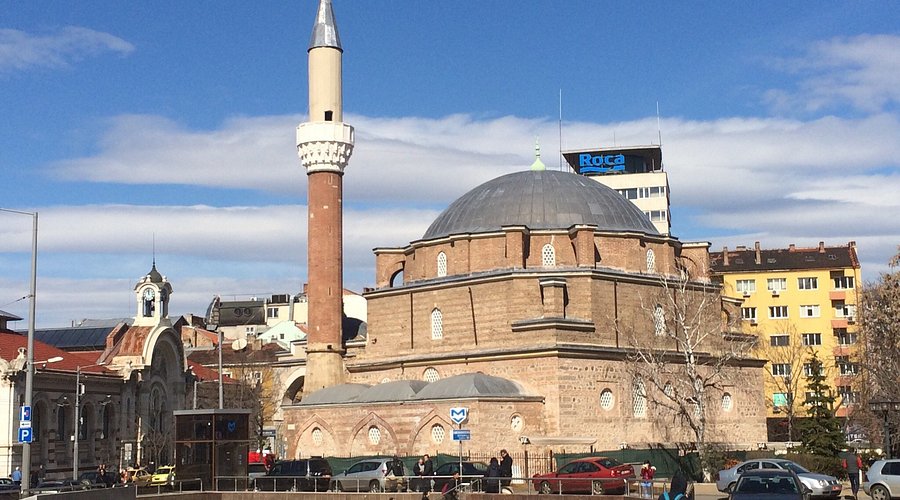
Nearby, the Saint Sofia Church gave the city its name, while the Banya Bashi Mosque, built in the 16th century, reflects the city’s Ottoman past. Few cities in Europe display such a fascinating mix of religions and architectural styles within such a small area.
Museums and Culture
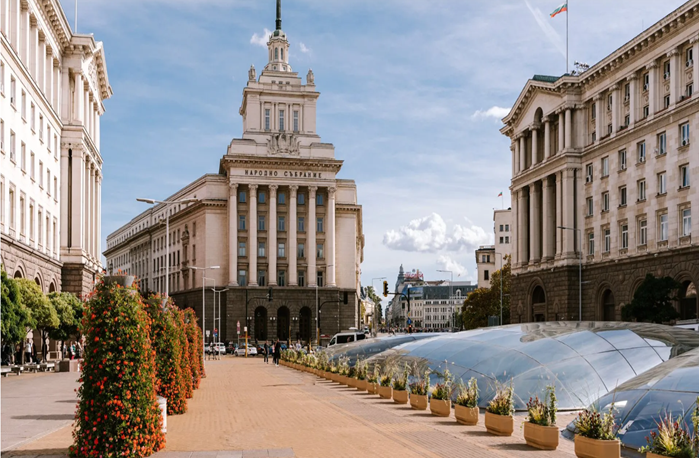
Sofia is also home to world-class museums. The National Archaeological Museum houses Thracian treasures, medieval artifacts, and Roman mosaics. Meanwhile, the National Palace of Culture (NDK) regularly hosts concerts, international conferences, and exhibitions. Walking inside, I felt the grandeur of Bulgaria’s modern cultural life.
Everyday Life in Sofia
To experience the city like a local, I strolled along Vitosha Boulevard, the main pedestrian street filled with shops, cafes, and street performers. It’s the perfect place for people-watching and sampling local snacks. What struck me was the coexistence of Soviet-era buildings, traditional churches, and modern glass skyscrapers—Sofia is truly a city of contrasts.
Plovdiv – Ancient History Meets Modern Art
Plovdiv is often called the cultural capital of Bulgaria, and with good reason. Considered one of the oldest continuously inhabited cities in Europe, its history stretches back more than 6,000 years. Thracians, Romans, Byzantines, and Ottomans all left their mark here, making Plovdiv a living museum of civilizations.
The Old Town
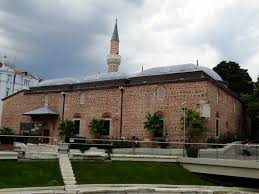
Wandering through the cobblestone streets of Plovdiv’s Old Town felt like stepping back in time. Beautifully preserved 19th-century houses painted in pastel colours, decorated with intricate woodwork, reflect Bulgaria’s National Revival period. Many of these houses are now museums, galleries, and cultural centers, giving the Old Town a dual charm—historic yet alive.
Roman Heritage
The jewel of Plovdiv is its Roman Theatre, one of the best-preserved in the world. Built in the 1st century AD, it once seated 6,000 spectators and still hosts concerts and operas today. Standing among its stone seats, I could easily imagine Roman citizens watching plays, debates, and gladiatorial contests. Nearby, the Roman Stadium and ancient mosaics reminded me how significant Plovdiv was in Roman times.
Kapana Creative District
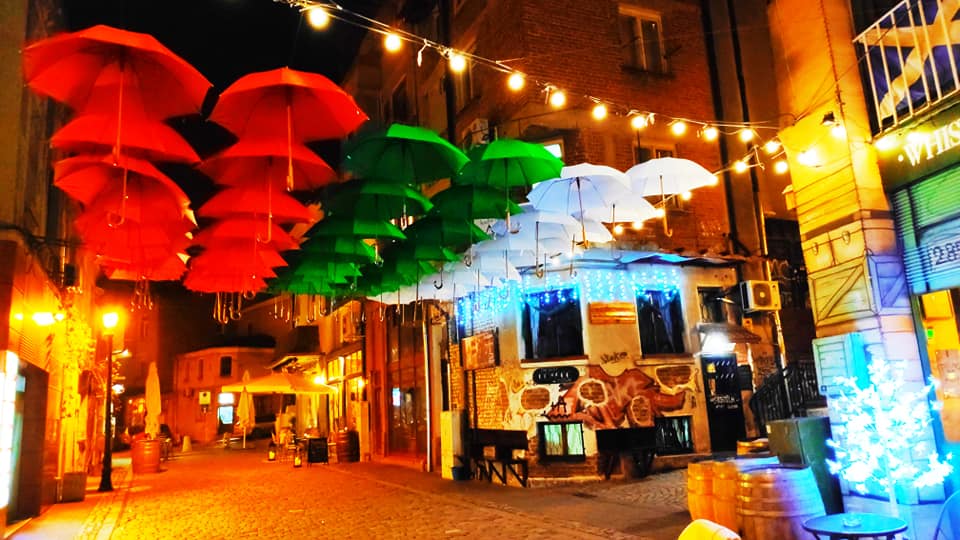
But Plovdiv isn’t just about the past. The Kapana District, once a craftsmen’s hub, has transformed into a buzzing creative quarter. Filled with street murals, boutique shops, artisan cafes, and galleries, it attracts young Bulgarians and visitors looking for culture with a modern twist. Sitting in one of its small cafes, sipping coffee while surrounded by colourful murals, I felt the energy of a city reinventing itself.
Festivals in Plovdiv
Plovdiv comes alive with events year-round. The Plovdiv Night of Museums and Galleries in September is particularly famous, when cultural venues stay open late and the city buzzes with exhibitions, performances, and art shows. Another highlight is the International Fair Plovdiv, showcasing everything from crafts to modern industry, reflecting the city’s blend of old and new.
For me, Plovdiv was a perfect blend: the weight of history beneath my feet, and the energy of modern creativity all around.
Burgas – Coastal Beauty on the Black Sea
After exploring Bulgaria’s historic cities, I headed east to the coast, where Burgas offered a refreshing change of pace. Unlike the busier resort towns of Sunny Beach or Varna, Burgas has a more relaxed, authentic charm.
The Sea Garden
The highlight of Burgas is its Sea Garden, a vast park that stretches along the coast. With flower gardens, cafes, sculptures, and shaded walking paths, it’s the perfect place for an evening stroll. Watching the sun set over the Black Sea from here was one of the most peaceful moments of my trip.
Beaches and Seaside Life
Burgas boasts several sandy beaches where locals and visitors gather to swim, sunbathe, and enjoy the warm summer days. Seafood is a highlight here—I sampled fresh grilled fish, mussels, and Black Sea delicacies at seaside restaurants.
Cultural Scene
Though smaller than Sofia or Plovdiv, Burgas has a vibrant cultural scene. The Burgas Opera House and Summer Theatre host concerts and performances, while the Spirit of Burgas Festival has attracted international music acts in the past, turning the city into a hub for music lovers during summer.
Nature, Adventure, and Outdoor Activities
Beyond its cities, Bulgaria offers incredible landscapes. The Rila Mountains are home to the famous Rila Monastery, a UNESCO site, as well as hiking trails leading to glacial lakes. The Pirin Mountains are perfect for trekking, while in winter, ski resorts like Bansko and Borovets attract winter sports enthusiasts.
For those who love the outdoors, Bulgaria is paradise: hiking, skiing, mountain biking, and even birdwatching near the Black Sea lagoons.
Bulgarian Cuisine
Food is central to Bulgarian culture. Some must-try dishes include:
- Banitsa: A flaky pastry filled with cheese, eggs, or spinach.
- Shopska Salad: A refreshing mix of cucumbers, tomatoes, onions, and sirene cheese.
- Kebapche: Grilled minced meat, similar to kebabs.
- Tarator: A cold yogurt and cucumber soup, perfect in summer.
- Moussaka: A Balkan twist on the classic dish, made with potatoes.
- Rakia: A strong fruit brandy, often homemade, traditionally offered to guests.
Festivals and Events
Kukeri Festival (January/February): Men wear elaborate masks and costumes to chase away evil spirits.
Rose Festival (June, Kazanlak): Celebrates Bulgaria’s famous rose oil industry with parades and rose-picking ceremonies.
Christmas Markets (December): Sofia and Plovdiv host cozy markets with crafts, mulled wine, and festive lights.
Surva Festival (Pernik): One of Europe’s largest masquerade events, with traditional folklore performances.
My Reflections on Bulgaria
I landed at Sofia, Bulgaria’s lively capital and main international gateway, where the mix of modern city life and historic charm gave me a great first impression. From there, I travelled to Plovdiv, one of the oldest continuously inhabited cities in Europe, famous for its Roman amphitheatre, cobbled Old Town, and colourful artistic vibe. My journey then continued to Burgas on the Black Sea coast, a relaxed seaside city that offered fresh air, long beaches, and a perfect base for exploring nearby resorts.
Bulgaria exceeded all my expectations. In Plovdiv, I felt connected to ancient civilizations. In Sofia, I admired a city where East meets west and past meets present. In Burgas, I experienced the calm beauty of the Black Sea. What impressed me most was the balance—Bulgaria offers history and modernity, mountains and beaches, culture and leisure, all within one country.
For travellers seeking an affordable, authentic European destination, Bulgaria is a hidden gem. It may not have the fame of Paris or Rome, but its charm lies in its authenticity, diversity, and warmth. Every city I visited told a unique story, yet together they revealed the soul of a country rich in heritage and hospitality.
For me, it was a country of contrasts and surprises, and I left convinced that Bulgaria deserves far more attention on the world travel map.